
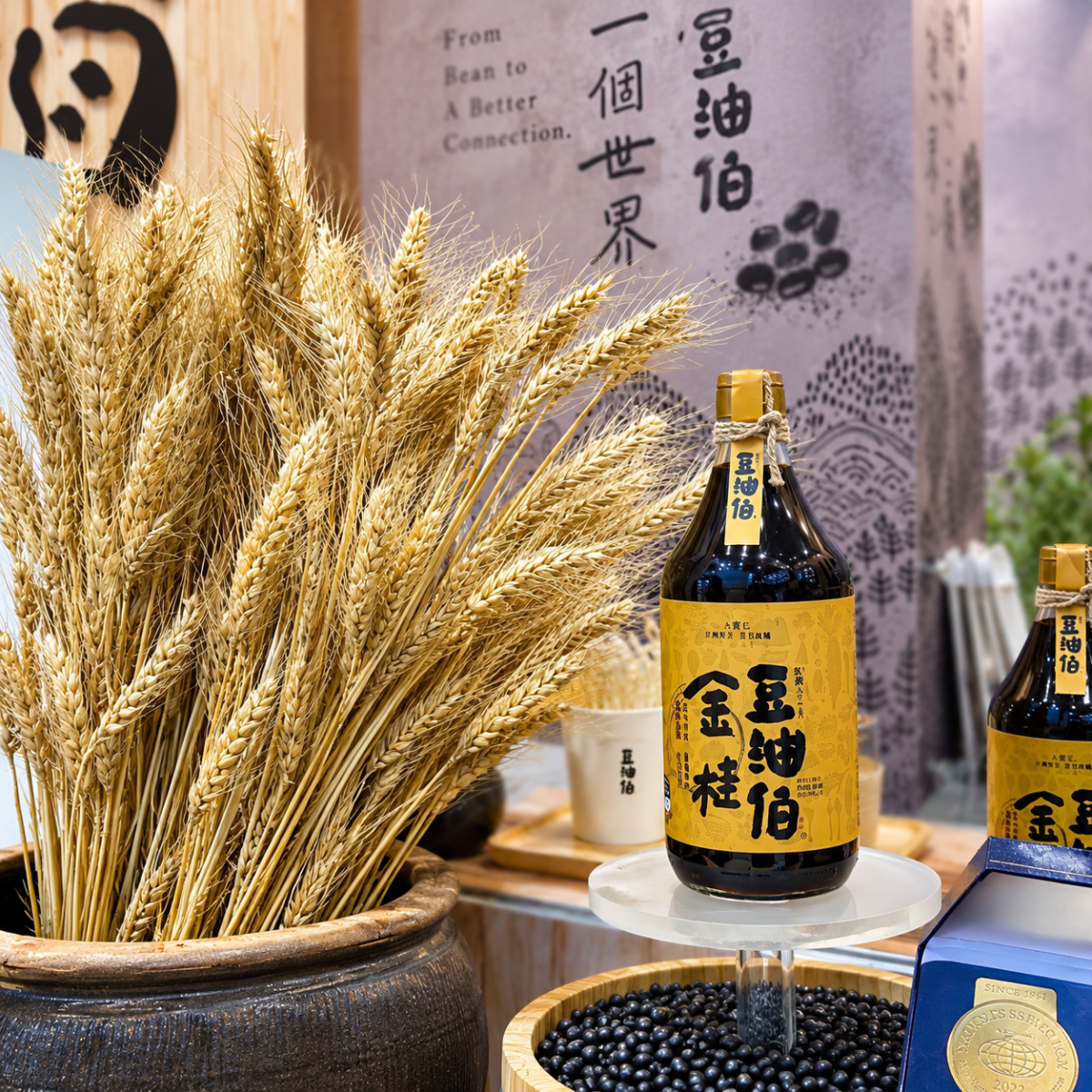
Soy sauce is made from soybeans—so why is wheat often part of the recipe?
At DoYouBo, wheat is not simply an additional ingredient. It plays an important role in the brewing process, from supporting koji cultivation to helping develop the aroma and flavor of the finished soy sauce.
Understanding the role of wheat also offers a closer look at how traditionally brewed soy sauce develops its character over time.
Soybeans and Wheat Play Different Roles
Soybeans are an important source of protein in soy sauce brewing.
Wheat, meanwhile, provides carbohydrates and nutrients that support the growth of koji during the early stages of fermentation.
Together, soybeans and wheat create the foundation for the microorganisms and enzymes involved in the brewing process.
This is one reason why the choice and handling of ingredients can have such an important influence on the final flavor of soy sauce.
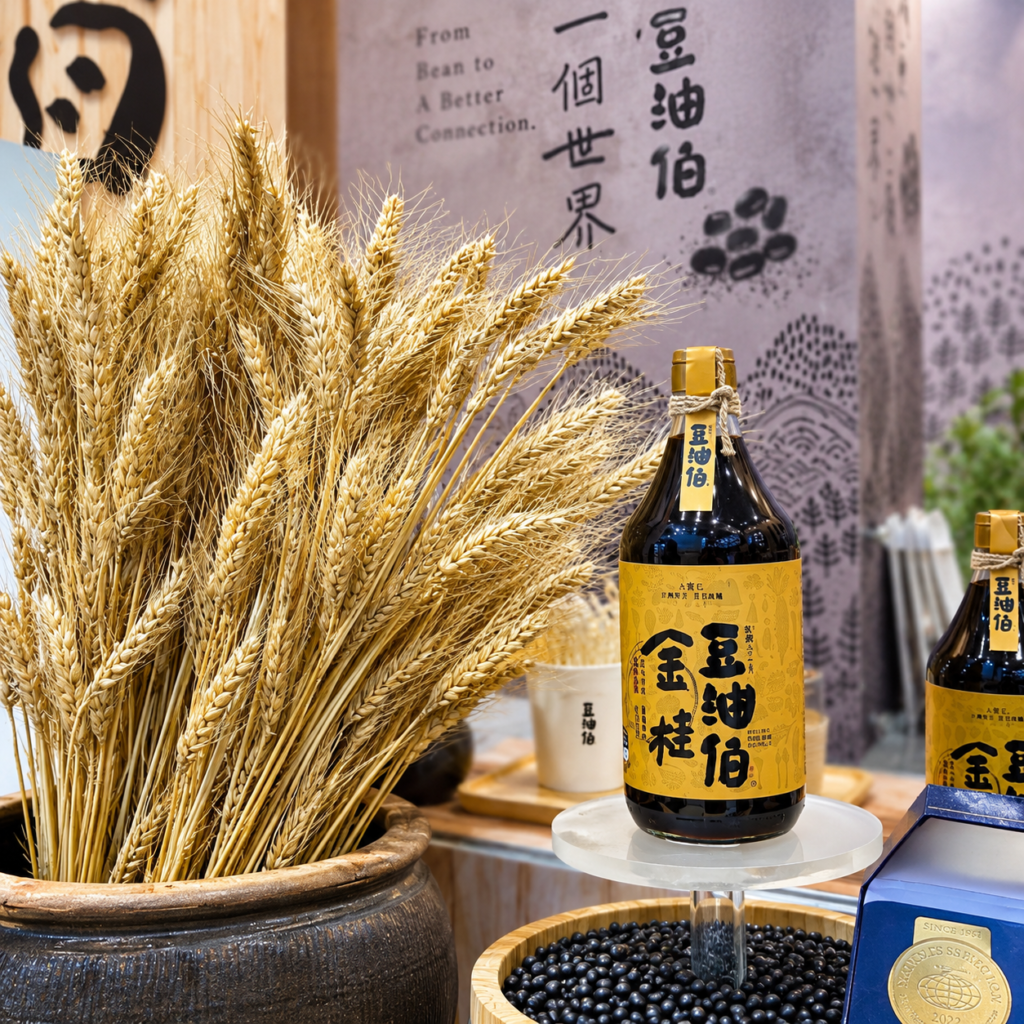
Why Is the Wheat Roasted?
At DoYouBo, soybeans are first cooked with water until they reach the appropriate texture.
After cooking, a small amount of roasted wheat is added before the ingredients move on to the koji-making stage. According to DoYouBo’s brewing process, the amount of wheat used at this stage is approximately 10% of the amount of soybeans.
Roasting also helps bring out the characteristic aroma of the wheat, which contributes to the flavor development of the soy sauce during fermentation.
Wheat Helps Support Koji
Koji is one of the most important stages in traditional soy sauce brewing.
The carbohydrates and nutrients provided by wheat help create an environment for koji to develop. During this stage, enzymes begin preparing the ingredients for the long fermentation process that follows.
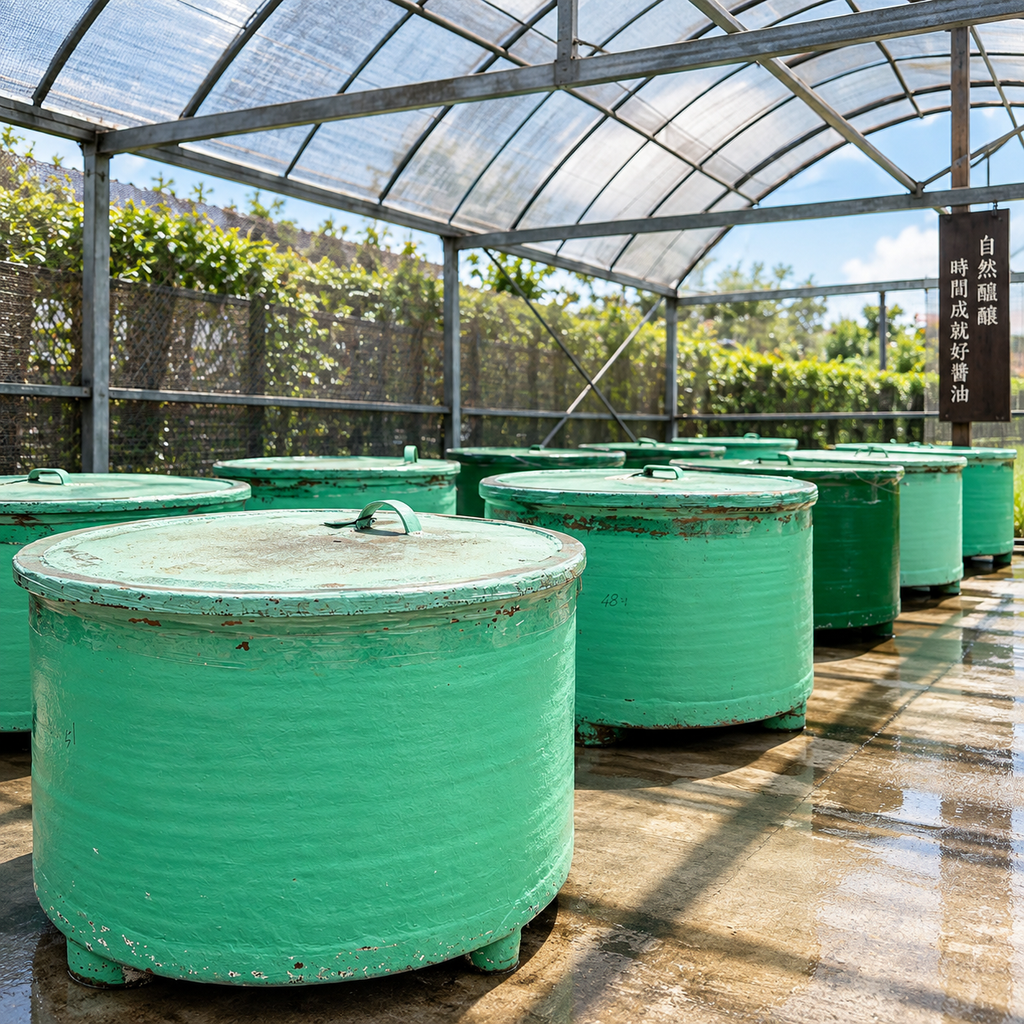
At DoYouBo, the prepared ingredients are transferred to a controlled koji-making environment before continuing to the brining and fermentation stages.
This combination of ingredients, microorganisms, time and careful process control helps build the foundation of the finished soy sauce.
Building Aroma and Flavor Through Fermentation
Wheat also contributes to the aroma and flavor profile of brewed soy sauce.
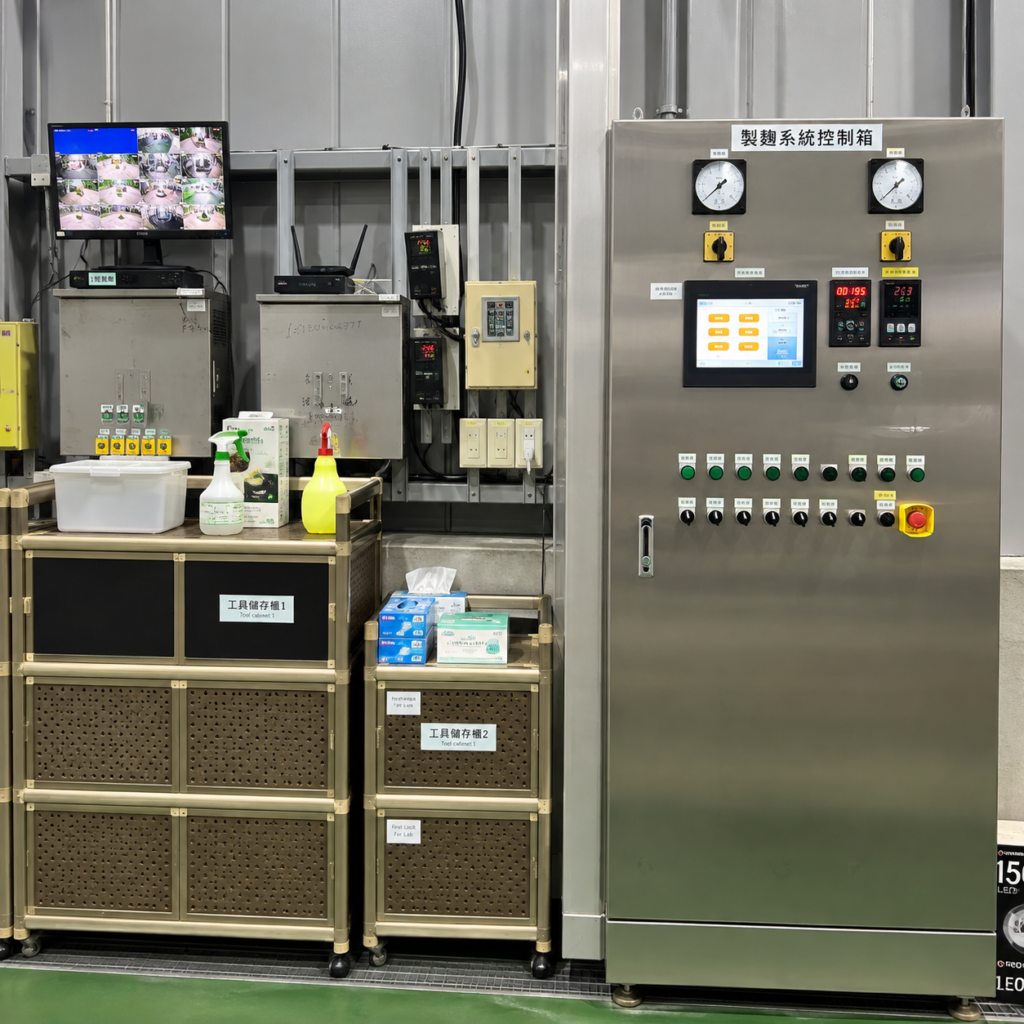
Once koji making is complete, the ingredients are combined with brine and allowed to ferment naturally over an extended period.
At DoYouBo, soy sauce is naturally fermented for at least 120 days, giving the ingredients time to gradually develop deeper aroma, color and flavor.
During fermentation, naturally occurring compounds—including small amounts of alcohol—may also be produced as part of the brewing process. This is one reason simple methods such as shaking a bottle and judging the foam are not reliable ways to determine whether a soy sauce has been naturally brewed.
What Is Total Nitrogen in Soy Sauce?
Another way soy sauce quality can be evaluated is through measurable indicators such as total nitrogen.
Because soybeans and other brewing ingredients contain protein, nitrogen levels can be used as one indicator when evaluating brewed soy sauce.
Rather than relying only on appearance, foam or color, scientific testing provides measurable information about the characteristics and quality of the finished product.
What About Gluten?
Because wheat is used in the brewing process, consumers with wheat allergies or specific dietary requirements should always check the ingredient and allergen information for each individual product.
Some DoYouBo soy sauces have been tested with no gluten detected according to the applicable testing standard. However, products brewed with wheat still identify wheat as an allergen on their ingredient labels.
For this reason, consumers should refer to the labeling and testing information of the specific product rather than assuming that all traditionally fermented soy sauces have the same gluten status.
More Than Just Soybeans
Soy sauce may begin with soybeans, but every ingredient has a role to play.
From whole soybeans and roasted wheat to koji, brine and months of fermentation, each stage contributes to the final aroma and flavor.
For DoYouBo, understanding these ingredients is part of understanding the craft behind Taiwanese soy sauce—where traditional brewing knowledge and modern process control work together in every bottle.