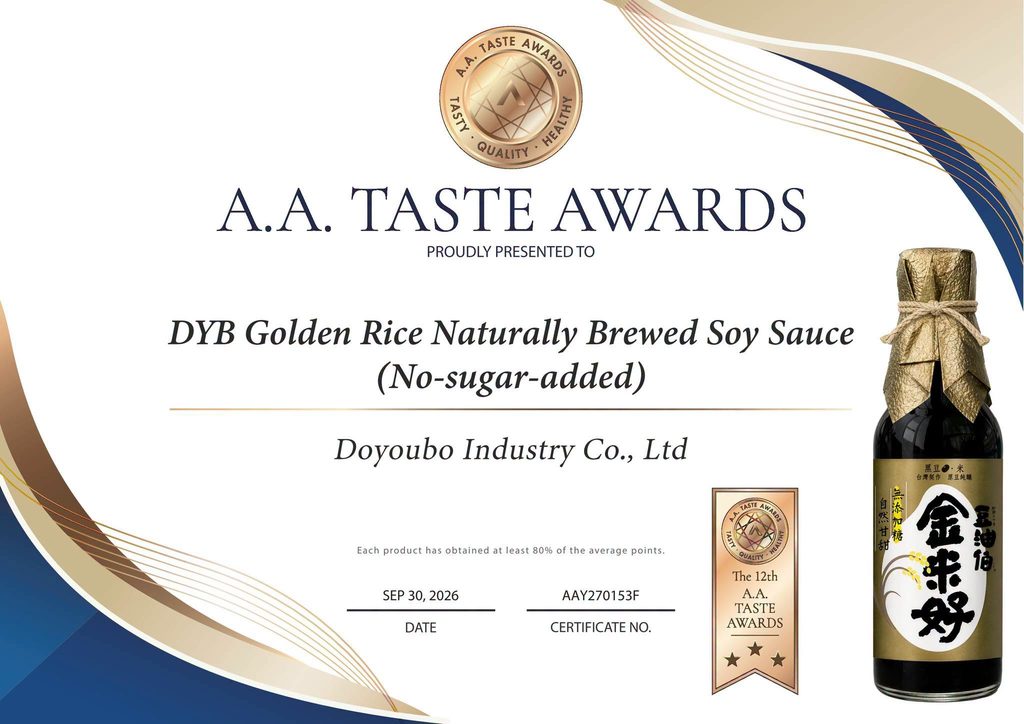
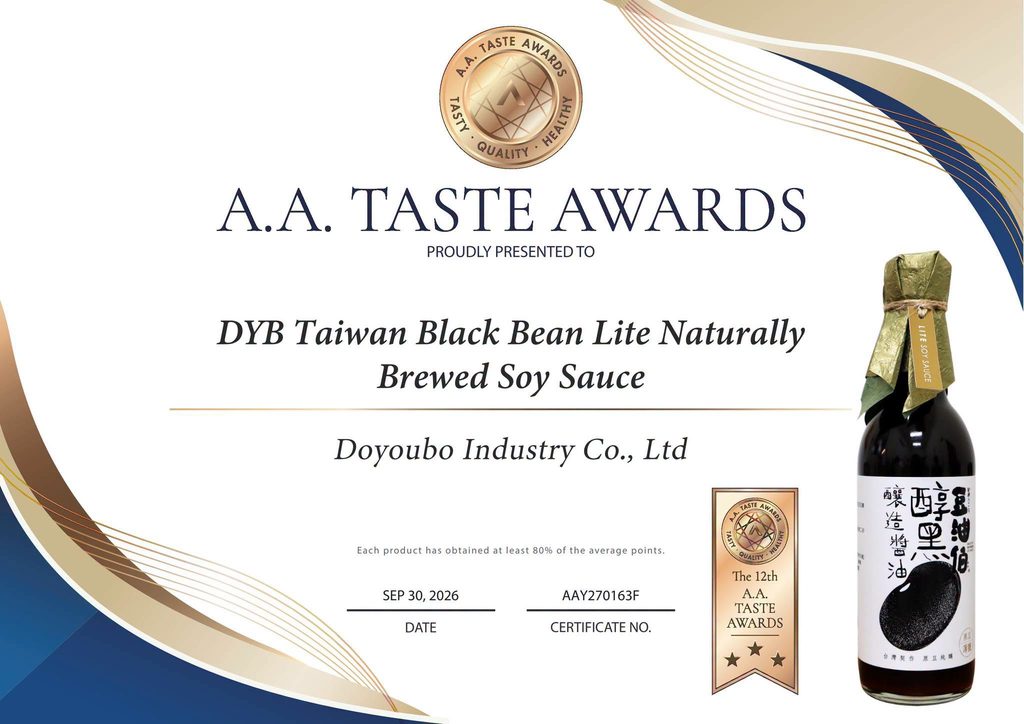
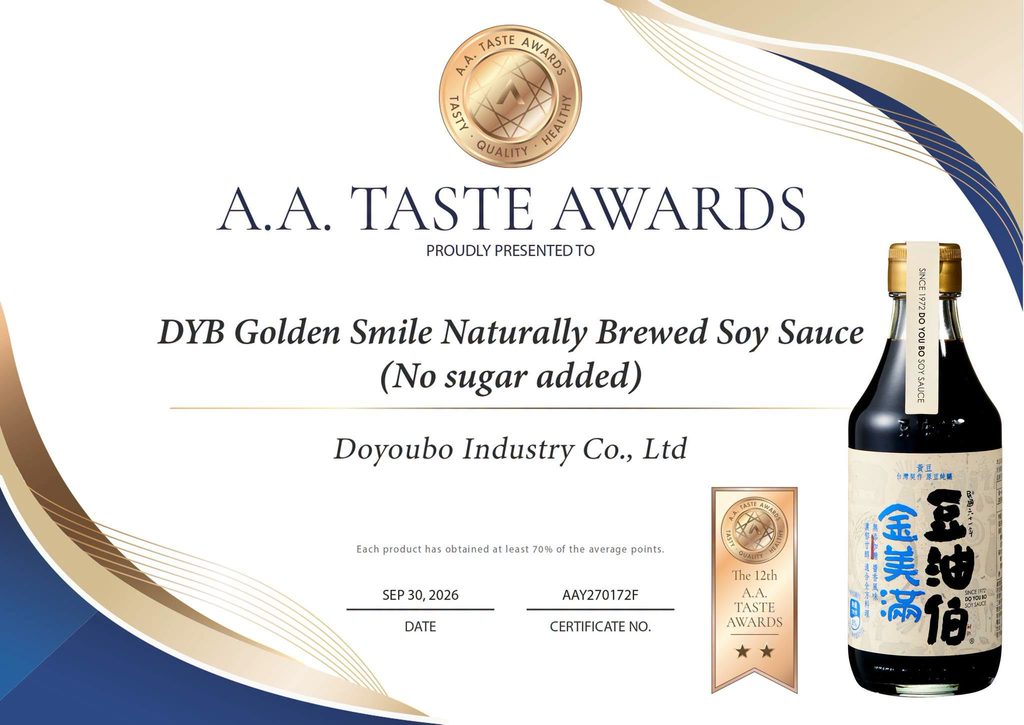
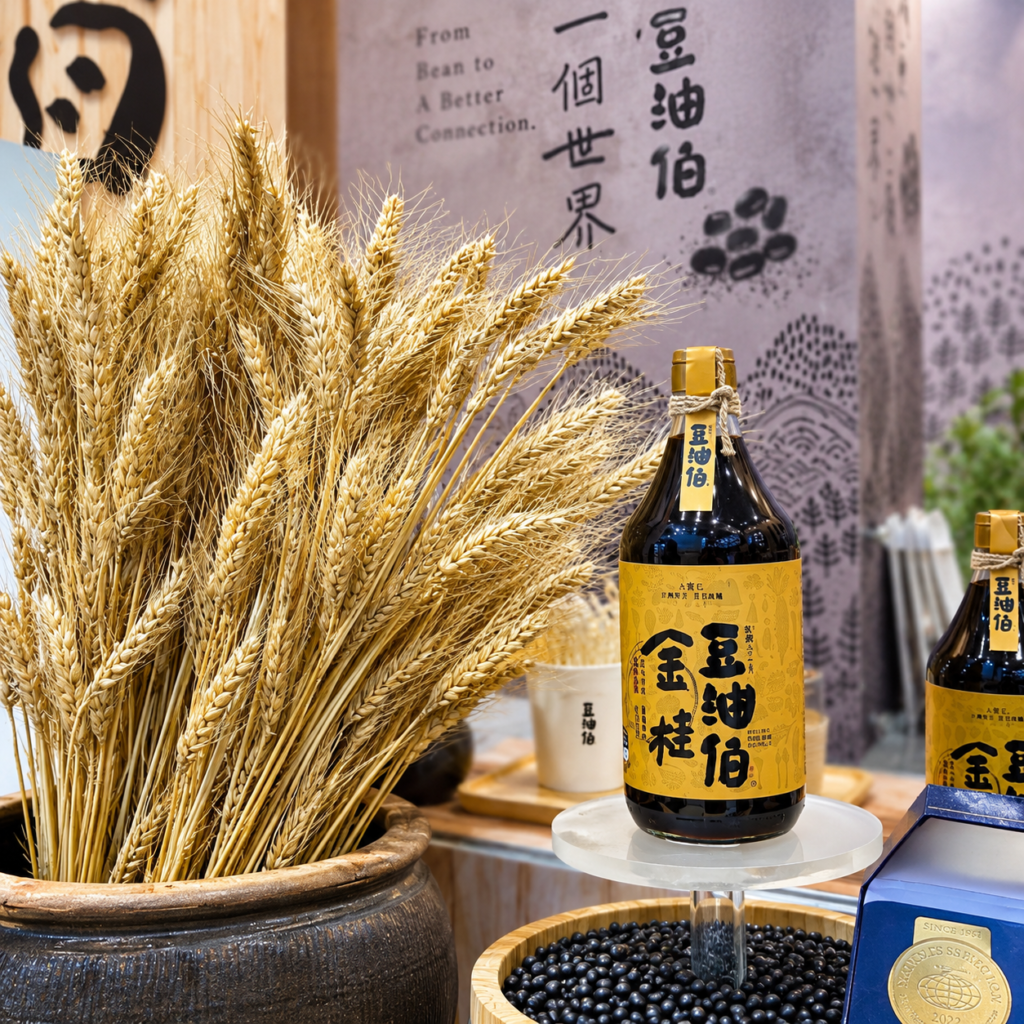
Three DYB soy sauces receive international recognition for their distinctive flavor and craftsmanship.
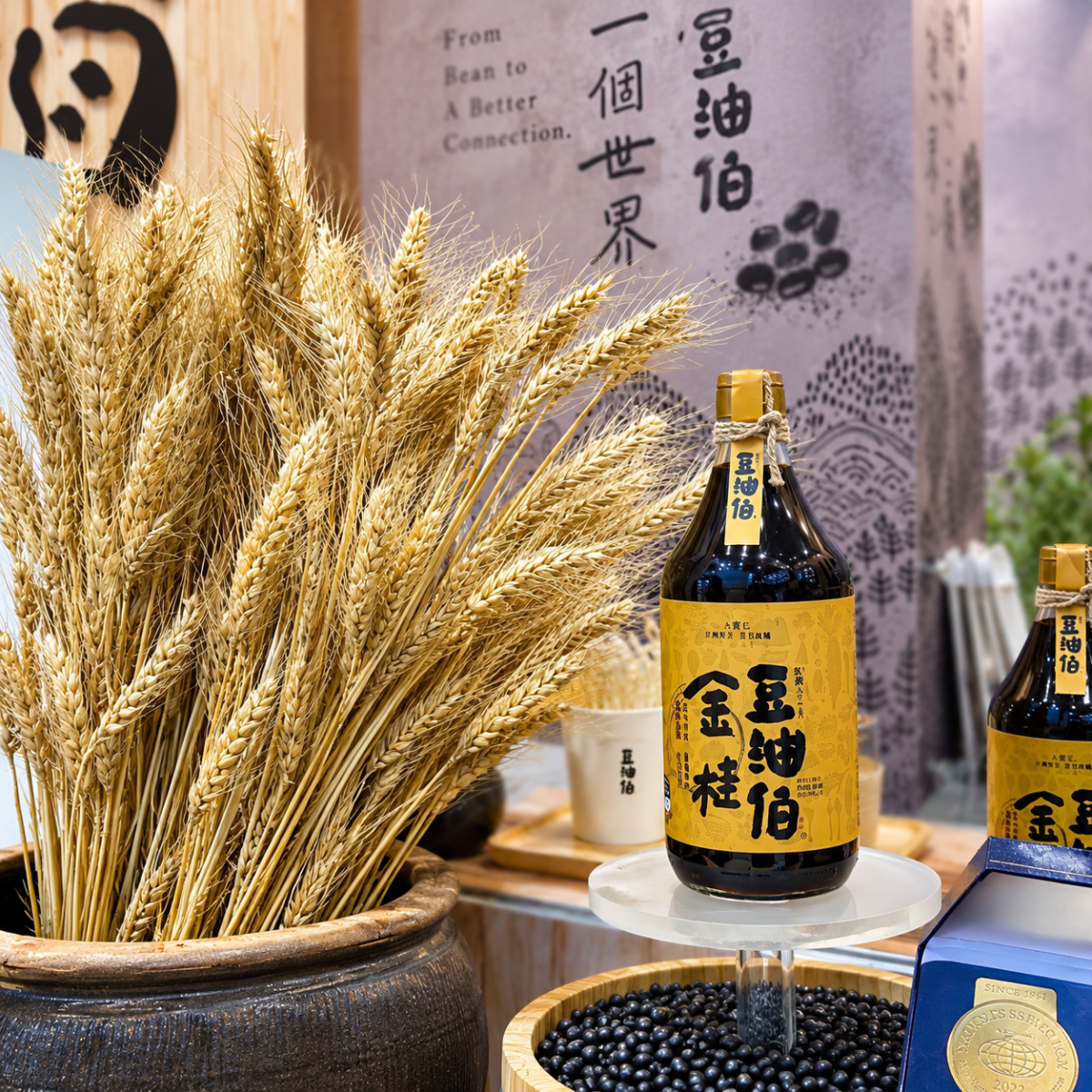
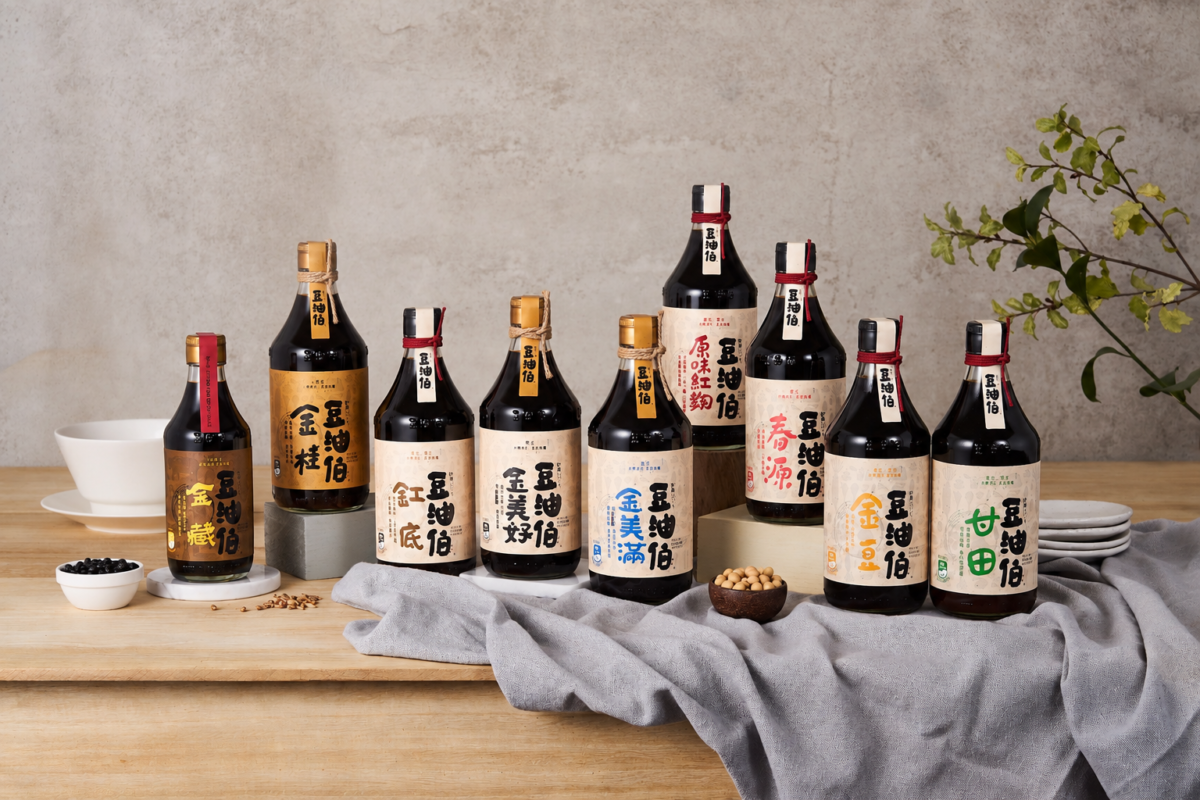
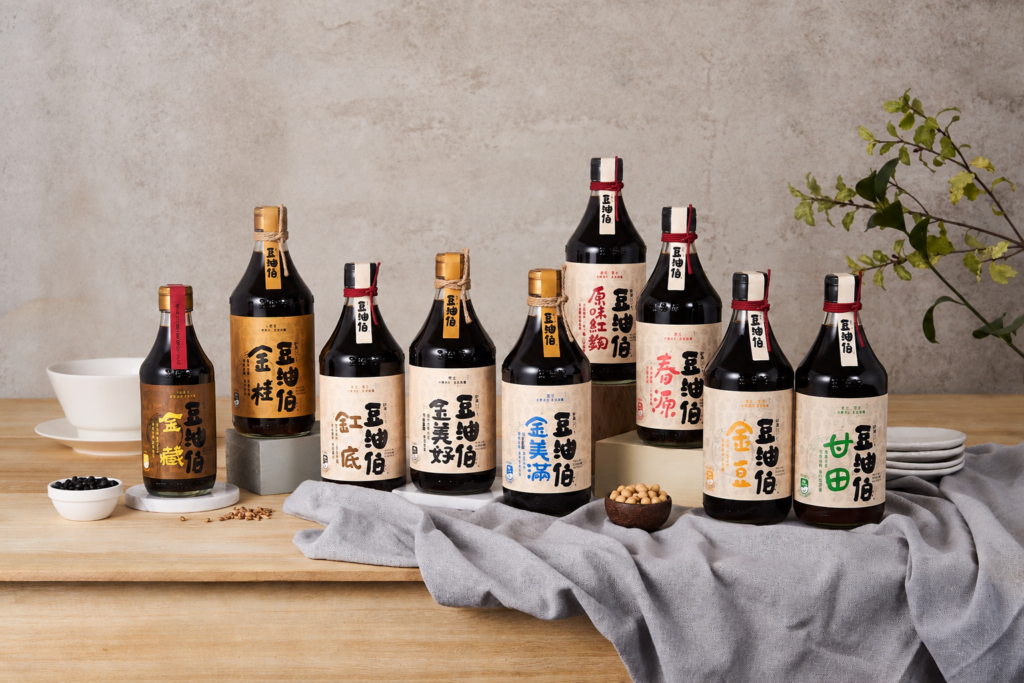
DYB is proud to announce that three of its naturally brewed soy sauces have been recognized at the 2026 AA Taste Award, receiving two 3-Star Awards and one 2-Star Award.
The recognition highlights DYB’s commitment to carefully selected ingredients, traditional brewing craftsmanship, and distinctive flavor development.
Award-Winning Soy Sauces
DYB Rice-based Naturally Brewed Soy Sauce — 3 Stars Brewed with 100% Taiwanese rice and black soybeans, offering a delicate rice aroma and naturally rich umami. Gluten-free and no added sugar.
DYB Taiwan Black Bean Lite Naturally Brewed Soy Sauce — 3 Stars Made with Taiwanese black soybeans and crafted with a lite-salt formula, delivering a rich bean aroma with a balanced, layered taste.
DYB Golden Smile Naturally Brewed Soy Sauce — 2 Stars Made with Taiwanese non-GMO soybeans through whole-bean brewing. No added sugar, with a smooth, naturally savory and mellow flavor.
Crafted in Taiwan. Recognized Internationally.
From Taiwanese rice and black soybeans to non-GMO soybeans, DYB continues to explore the depth and diversity of soy sauce through ingredient selection and brewing expertise.
A bottle of soy sauce may look simple, but behind every bottle are choices about ingredients, farming, brewing, quality, and the people who make it possible.
At DoYouBo, we believe value should not be measured by price alone.
From working with local farmers in Taiwan to brewing with whole soybeans and preserving the full character of naturally brewed soy sauce, every decision reflects our commitment to quality and Taiwanese agriculture.
Here is the story behind every bottle of DoYouBo.
It Starts with Taiwan-Grown Ingredients
Great soy sauce begins with great ingredients.
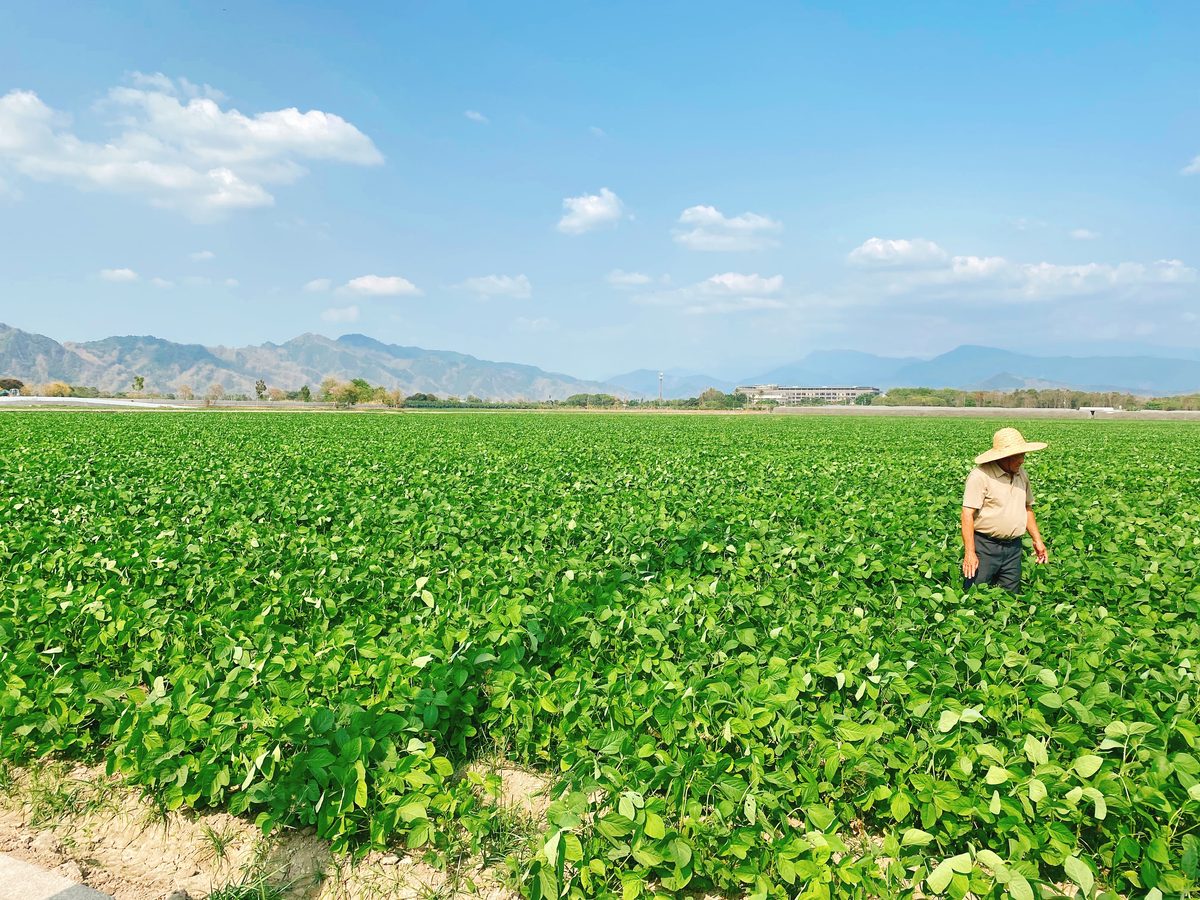
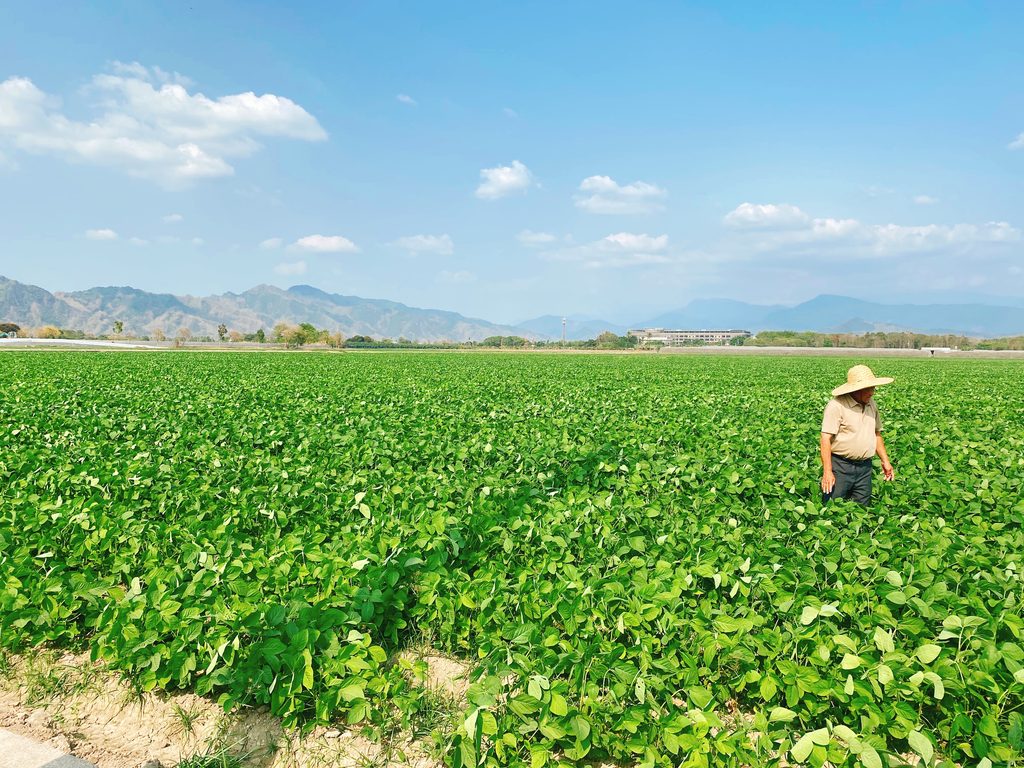
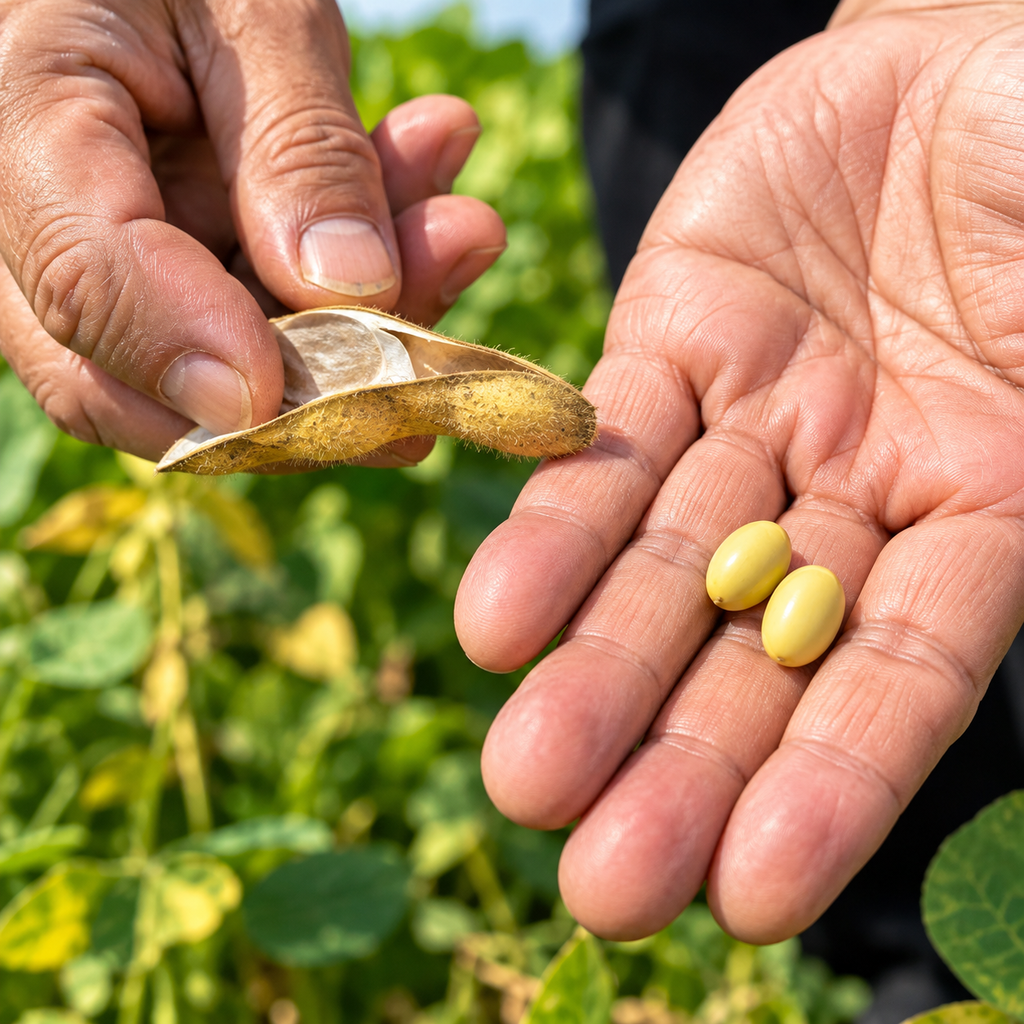
DoYouBo works with local farmers through contract farming and uses non-GMO soybeans grown in Taiwan for our soy sauce production.
Through stable farming and purchasing partnerships, we aim to build a closer relationship between agriculture and food production while providing farmers with greater stability.
For us, choosing local ingredients is not simply about where they come from. It is about supporting the people and land behind Taiwanese food culture.
Whole-Bean Brewing, Without Diluting the Flavor
At DoYouBo, we believe soy sauce should preserve the natural character created through brewing.
That is why we insist on whole-bean brewing and do not dilute the original soy sauce simply to reduce production costs.
The flavor, aroma, and depth of soy sauce are developed through ingredients, fermentation, and time.
Rather than taking shortcuts, we focus on allowing those elements to create the character of the finished soy sauce.
Quality Beyond the Minimum Standard
Quality is often found in the details consumers cannot immediately see.
DoYouBo soy sauces are produced with quality standards that go beyond simply meeting the basic requirements for soy sauce in Taiwan.
From ingredient selection to brewing and quality management, our goal is not merely to make a product that meets a standard, but to create soy sauce with flavor, quality, and character we can stand behind.
Our product range also includes options developed for different dietary needs. According to our product testing, most DoYouBo soy sauces, with the exception of the kombu series, have passed gluten-free testing.
A Shorter Supply Chain, More Value in the Ingredients
As our brewing experience and production scale have grown, we have continued to look for ways to improve efficiency without compromising the ingredients or the quality of our soy sauce.
One approach is to reduce unnecessary distribution costs and maintain a shorter supply chain.
Instead of lowering costs by compromising raw materials or diluting flavor, we aim to put more value back into the ingredients and brewing process.
For us, efficiency should help protect quality—not replace it.
Supporting Taiwanese Farmers
Every bottle of soy sauce is connected to agriculture.
Through contract farming, DoYouBo works with Taiwanese farmers to create a more stable relationship between crop production and food manufacturing.
When locally grown grains continue to have a place in everyday food products, their value extends beyond a single harvest.
It supports farmers, encourages continued cultivation, and helps preserve the connection between Taiwanese agriculture and the food we eat.
This is why choosing Taiwanese ingredients is an important part of the DoYouBo story.
More Than a Bottle of Soy Sauce
When you pick up a bottle of DoYouBo soy sauce, you are holding more than a seasoning.
Behind it are Taiwan-grown ingredients, local farmers, brewing craftsmanship, time, and a commitment to quality.
We believe good food should create value throughout its journey—from the field where the crops are grown to the table where families share their meals.
That is the value we hope to preserve in every bottle of DoYouBo.
More than soy sauce, it is a taste of Taiwan and the people behind it.
Soy sauce is made from soybeans—so why is wheat often part of the recipe?
At DoYouBo, wheat is not simply an additional ingredient. It plays an important role in the brewing process, from supporting koji cultivation to helping develop the aroma and flavor of the finished soy sauce.
Understanding the role of wheat also offers a closer look at how traditionally brewed soy sauce develops its character over time.
Soybeans and Wheat Play Different Roles
Soybeans are an important source of protein in soy sauce brewing.
Wheat, meanwhile, provides carbohydrates and nutrients that support the growth of koji during the early stages of fermentation.
Together, soybeans and wheat create the foundation for the microorganisms and enzymes involved in the brewing process.
This is one reason why the choice and handling of ingredients can have such an important influence on the final flavor of soy sauce.
Why Is the Wheat Roasted?
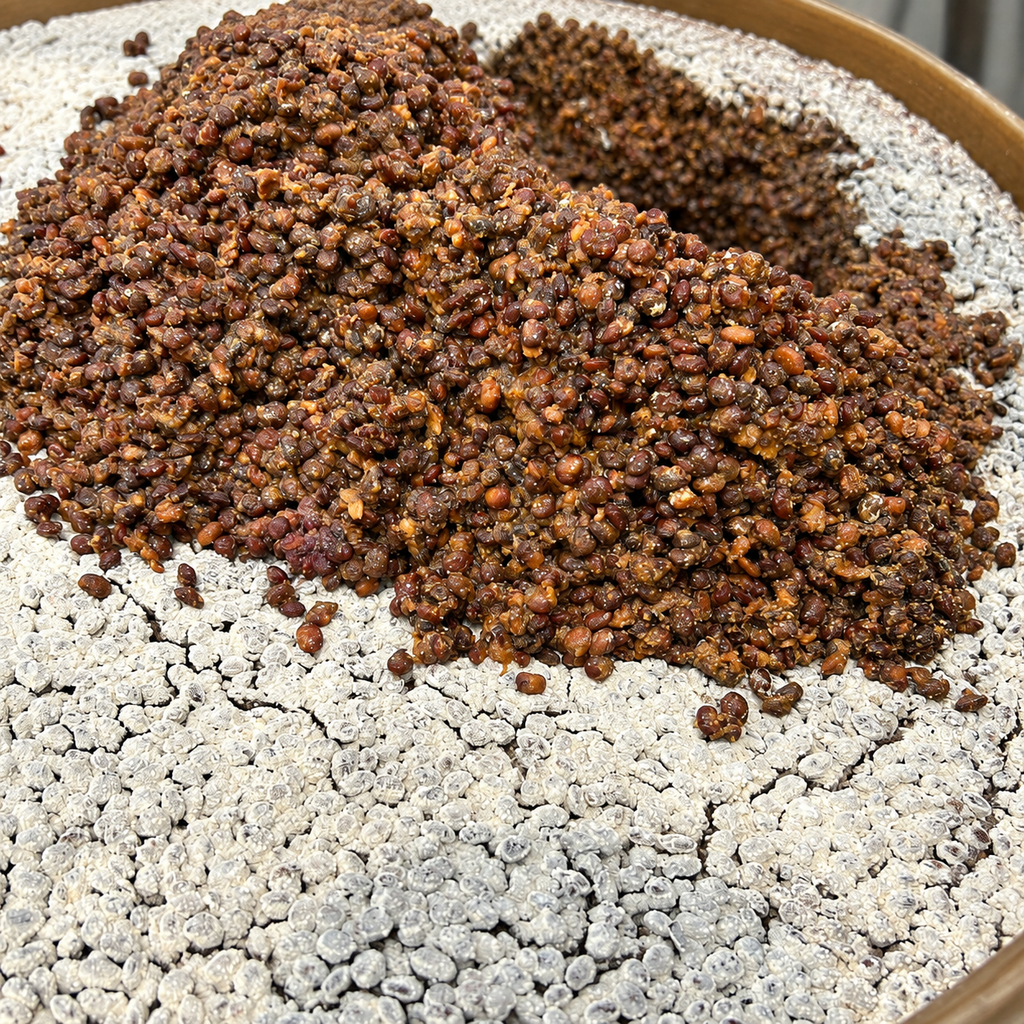
At DoYouBo, soybeans are first cooked with water until they reach the appropriate texture.
After cooking, a small amount of roasted wheat is added before the ingredients move on to the koji-making stage. According to DoYouBo’s brewing process, the amount of wheat used at this stage is approximately 10% of the amount of soybeans.
Roasting also helps bring out the characteristic aroma of the wheat, which contributes to the flavor development of the soy sauce during fermentation.
Wheat Helps Support Koji
Koji is one of the most important stages in traditional soy sauce brewing.
The carbohydrates and nutrients provided by wheat help create an environment for koji to develop. During this stage, enzymes begin preparing the ingredients for the long fermentation process that follows.
At DoYouBo, the prepared ingredients are transferred to a controlled koji-making environment before continuing to the brining and fermentation stages.
This combination of ingredients, microorganisms, time and careful process control helps build the foundation of the finished soy sauce.
Building Aroma and Flavor Through Fermentation
Wheat also contributes to the aroma and flavor profile of brewed soy sauce.
Once koji making is complete, the ingredients are combined with brine and allowed to ferment naturally over an extended period.
At DoYouBo, soy sauce is naturally fermented for at least 120 days, giving the ingredients time to gradually develop deeper aroma, color and flavor.
During fermentation, naturally occurring compounds—including small amounts of alcohol—may also be produced as part of the brewing process. This is one reason simple methods such as shaking a bottle and judging the foam are not reliable ways to determine whether a soy sauce has been naturally brewed.
What Is Total Nitrogen in Soy Sauce?
Another way soy sauce quality can be evaluated is through measurable indicators such as total nitrogen.
Because soybeans and other brewing ingredients contain protein, nitrogen levels can be used as one indicator when evaluating brewed soy sauce.
Rather than relying only on appearance, foam or color, scientific testing provides measurable information about the characteristics and quality of the finished product.
What About Gluten?
Because wheat is used in the brewing process, consumers with wheat allergies or specific dietary requirements should always check the ingredient and allergen information for each individual product.
Some DoYouBo soy sauces have been tested with no gluten detected according to the applicable testing standard. However, products brewed with wheat still identify wheat as an allergen on their ingredient labels.
For this reason, consumers should refer to the labeling and testing information of the specific product rather than assuming that all traditionally fermented soy sauces have the same gluten status.
More Than Just Soybeans
Soy sauce may begin with soybeans, but every ingredient has a role to play.
From whole soybeans and roasted wheat to koji, brine and months of fermentation, each stage contributes to the final aroma and flavor.
For DoYouBo, understanding these ingredients is part of understanding the craft behind Taiwanese soy sauce—where traditional brewing knowledge and modern process control work together in every bottle.
Looking for a quick and refreshing dish that requires no cooking?
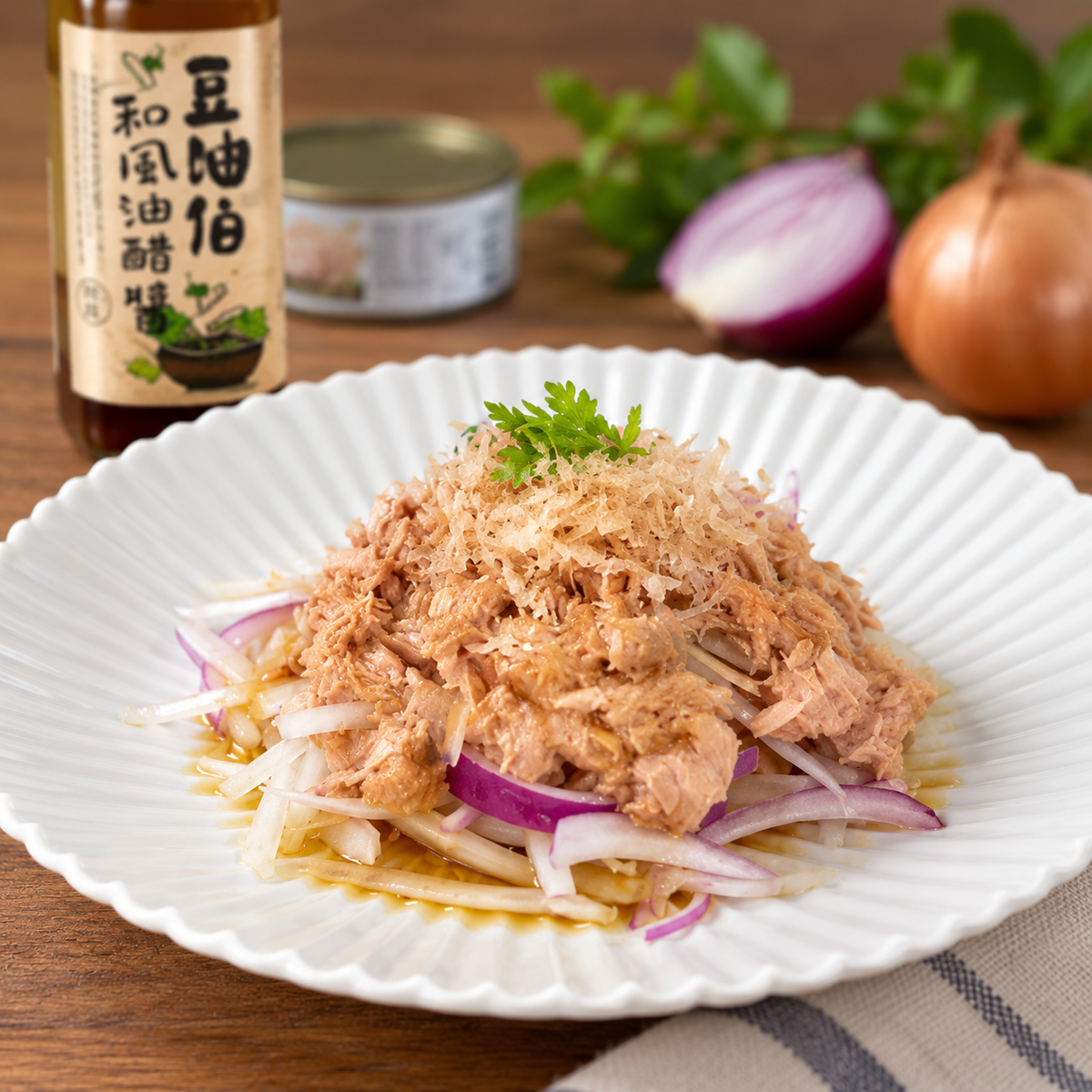
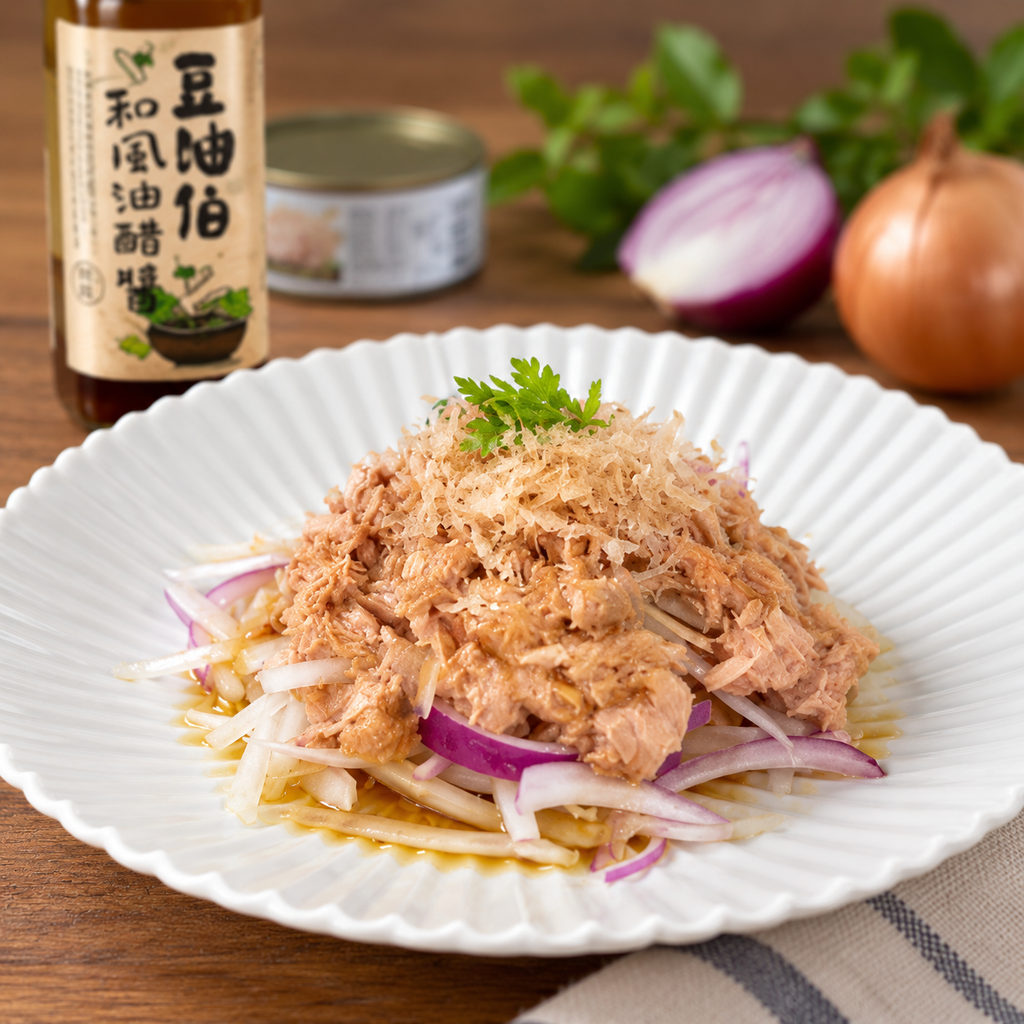
This simple Tuna & Onion Salad combines crisp onion with savory canned tuna and DoYouBo Japanese-Style Vinaigrette. With just a few ingredients and minimal preparation, it makes an easy appetizer, side dish, or light meal.
The key is the dressing. Made with vinegar, olive oil, soy sauce, and sesame oil, DoYouBo Japanese-Style Vinaigrette brings together savory, tangy, and gently nutty flavors in one simple dressing.
Ingredients
Onion, as needed
Canned tuna, as needed
DoYouBo Japanese-Style Vinaigrette, as needed
Instructions
1. Prepare the Onion
Thinly slice the onion and soak it in ice water. This helps keep the onion crisp and refreshing.
Drain well before serving.
2. Add the Tuna
Arrange the sliced onion on a serving plate.
Drain the canned tuna if necessary, then place it over the onion.
3. Add the Dressing
Drizzle DoYouBo Japanese-Style Vinaigrette over the tuna and onion.
Serve immediately and enjoy.
A Simple No-Cook Dish for Everyday Meals
Soy sauce does not always have to be used for braising, stir-frying, or other cooked dishes.
Combined with vinegar, olive oil, and sesame oil, it can also become part of a light and flavorful dressing for salads and cold dishes.
This tuna and onion salad is a simple example: familiar ingredients, minimal preparation, and no cooking required.
It is an easy way to bring soy sauce into everyday meals in a fresh and approachable way.
Recommended Product
DoYouBo Japanese-Style Vinaigrette
A balanced dressing made with vinegar, olive oil, soy sauce, and sesame oil. Its gently tangy and savory flavor makes it easy to pair with vegetables, seafood, salads, and other cold dishes.
Watch the Recipe Video
See how easy it is to make this refreshing tuna and onion salad with DoYouBo Japanese-Style Vinaigrette.
Looking for a light and refreshing way to enjoy tofu?
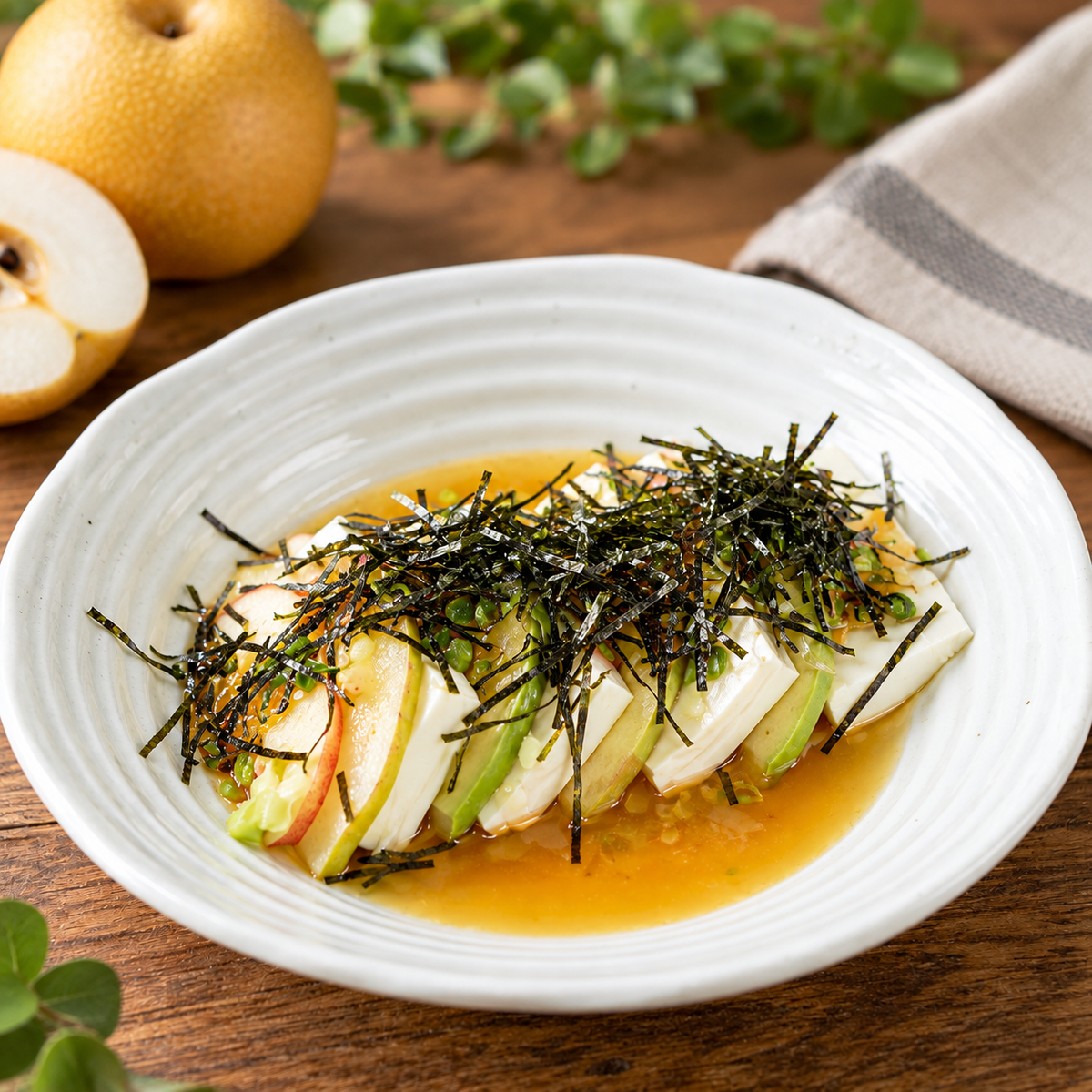
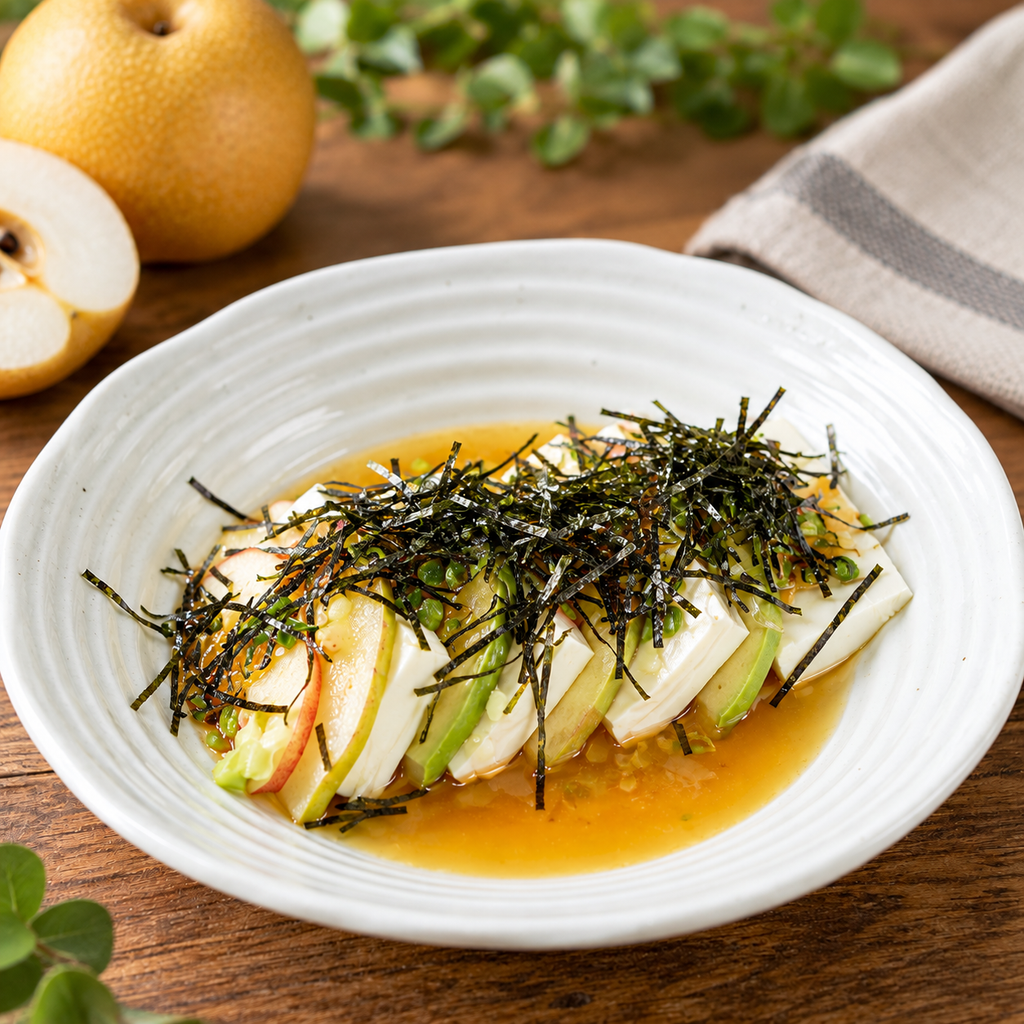
This simple chilled dish combines silky tofu, creamy avocado, crisp pear, and apple with a sweet and savory pear soy dressing made with DoYouBo Gantian Soy Sauce.
The fresh fruit adds natural sweetness and texture, while soy sauce brings savory depth to the dressing. Served chilled and finished with shredded seaweed, it is an easy no-cook dish for warm days or whenever you want something fresh and simple.
Ingredients
1 box soft tofu
Avocado, as needed
1/2 Asian pear
Apple, as needed
A little lemon juice
Shredded seaweed, as needed
For the Pear Soy Dressing
6 tbsp DoYouBo Gantian Soy Sauce
1/2 Asian pear, grated or puréed
1 tsp lemon juice
A little honey
Instructions
1. Prepare the tofu and avocado
Cut the soft tofu into slices approximately 1–2 cm thick.
Remove the avocado pit and cut the avocado into slices of approximately the same thickness.
2. Prepare the fruit
Without peeling, thinly slice the Asian pear and apple to approximately 0.5 cm thick.
Place the slices in lemon water to help slow oxidation and keep the fruit looking fresh.
3. Make the pear soy dressing
Grate or purée the Asian pear.
Combine the pear purée with DoYouBo Gantian Soy Sauce, lemon juice, and a little honey.
Mix until well combined.
4. Assemble
On a long serving plate, alternate the tofu, apple, avocado, and Asian pear slices.
Drizzle the pear soy dressing over the top and finish with shredded seaweed.
Serve immediately or enjoy chilled.
Tips
Keep the fruit fresh: Soaking the sliced fruit in lemon water helps slow oxidation.
No lemon water? The original recipe also suggests using lightly salted water as an alternative.
A Fresh Way to Enjoy Soy Sauce
Soy sauce is often associated with stir-fries, marinades, and braised dishes, but it can also work beautifully in fresh, no-cook recipes.
Here, the savory character of soy sauce balances the sweetness of Asian pear and honey, while lemon juice adds a light touch of acidity.
Paired with creamy avocado, soft tofu, and crisp fruit, the result is a refreshing dish with contrasting flavors and textures.
It is also a simple example of how Taiwanese soy sauce can be used beyond traditional cooked dishes and incorporated into everyday modern meals.
Recommended Product
DoYouBo Gantian Soy Sauce
Its savory flavor pairs naturally with the sweetness of fruit, making it a versatile choice for dressings, chilled dishes, and everyday cooking.
Soy sauce may look simple in the bottle, but creating its aroma, depth, and umami takes time.
At DoYouBo, soy sauce brewing combines traditional Taiwanese craftsmanship with modern production management. From preparing whole soybeans and making koji to adding brine and allowing the mixture to ferment for months, each stage plays an important role in developing the final flavor.
Here is a closer look at how DoYouBo turns soybeans into naturally brewed Taiwanese soy sauce.
It Starts with Taiwan-Grown Ingredients
Great soy sauce begins with carefully selected ingredients.
DoYouBo works with local farmers in Taiwan through contract farming and uses locally grown non-GMO grains, including soybeans, black soybeans, small black soybeans, and wheat across its soy sauce range.
Working closely with local agriculture allows us to build a stronger connection between the ingredients, the farmers who grow them, and the soy sauce produced in Pingtung.
For DoYouBo, brewing soy sauce begins long before fermentation—it begins in the fields.
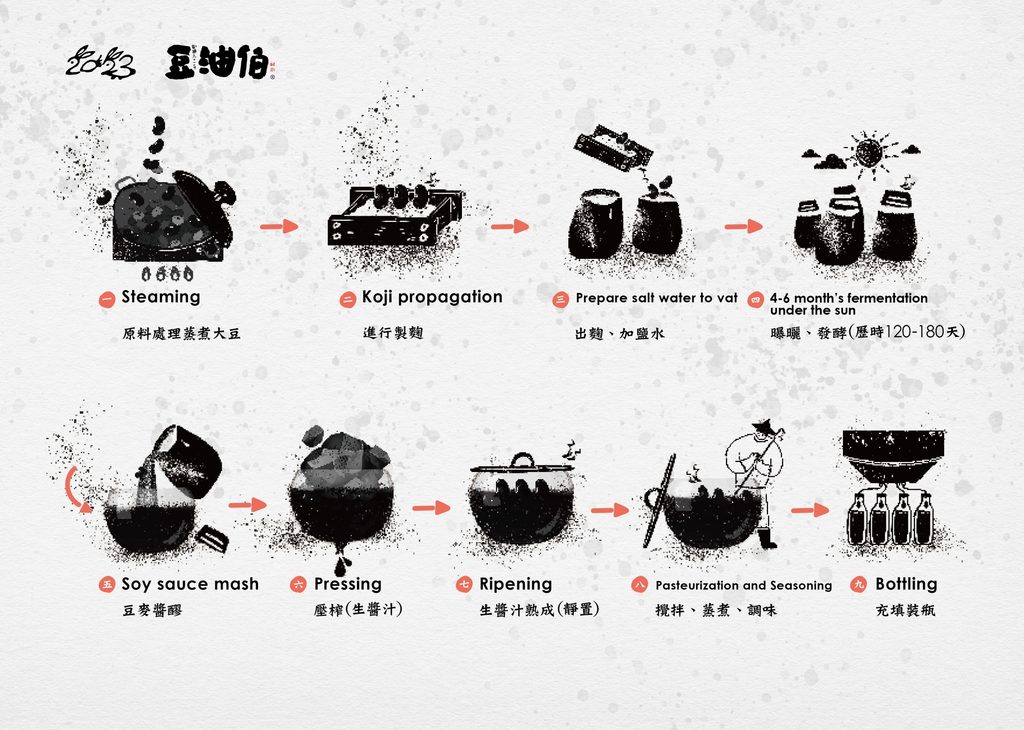
Step 1|Preparing and Cooking the Soybeans
The brewing process begins with whole soybeans.
At DoYouBo, the soybeans are cooked with water for approximately 40 minutes until they reach the appropriate texture for the next stage of brewing.
After cooking, a small amount of roasted wheat is added before the soybeans are transferred to the koji-making room.
This prepares the ingredients for one of the most important stages in soy sauce brewing: koji making.
Step 2|Making Koji
Koji plays a key role in developing the character of naturally brewed soy sauce.
After the soybeans are cooked and combined with roasted wheat, they are transferred to a dedicated koji-making room for approximately 2 to 3 days.
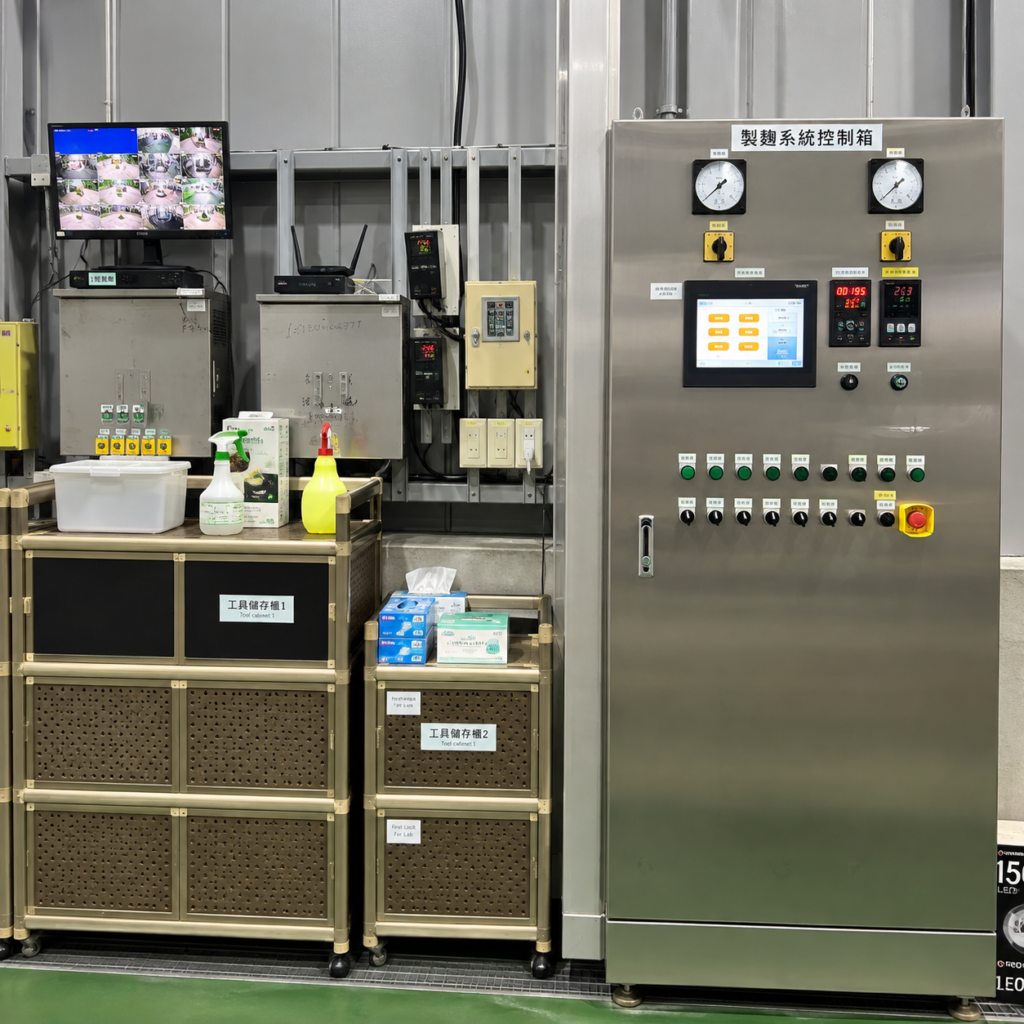
At DoYouBo, the koji room uses a computerized temperature-control system to provide stable conditions for koji development.
This stage requires careful management because the quality of the koji has a major influence on the aroma and flavor that develop later during fermentation.
Step 3|Adding Brine
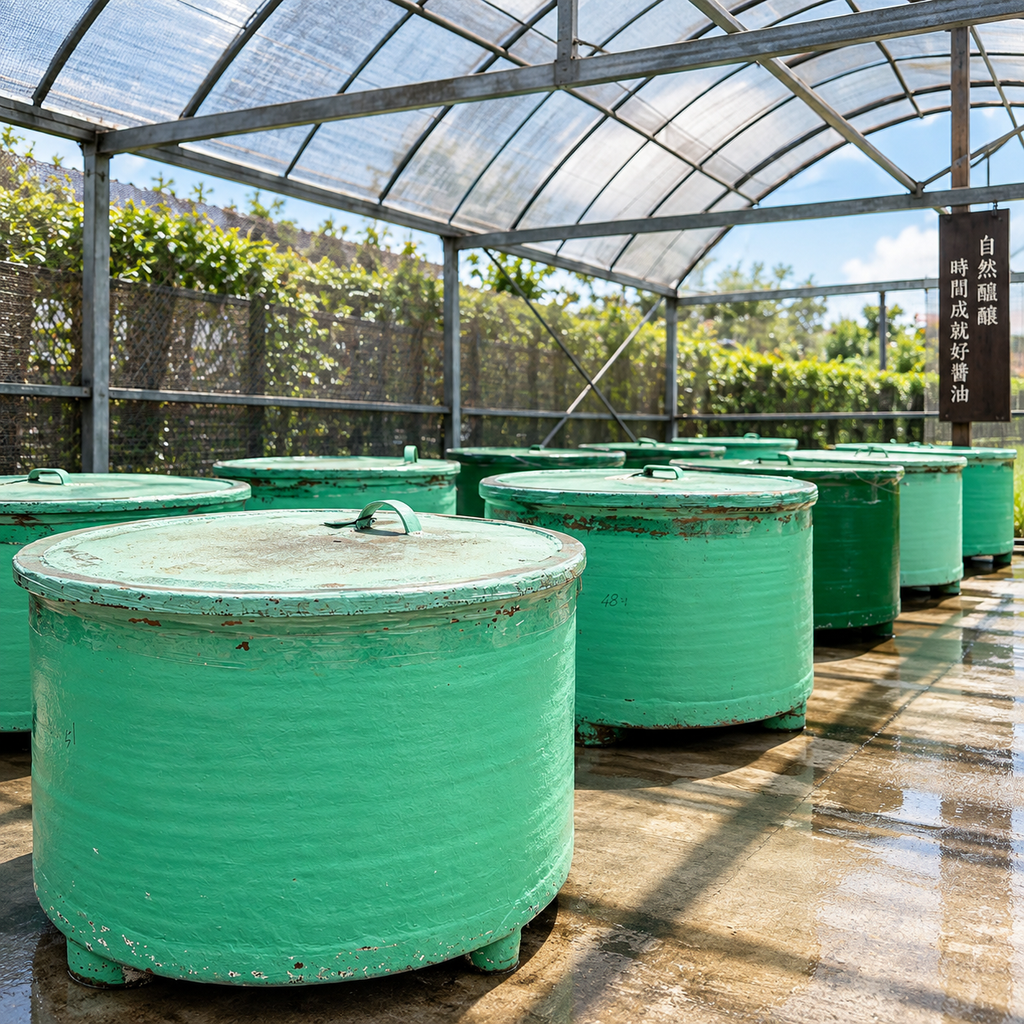
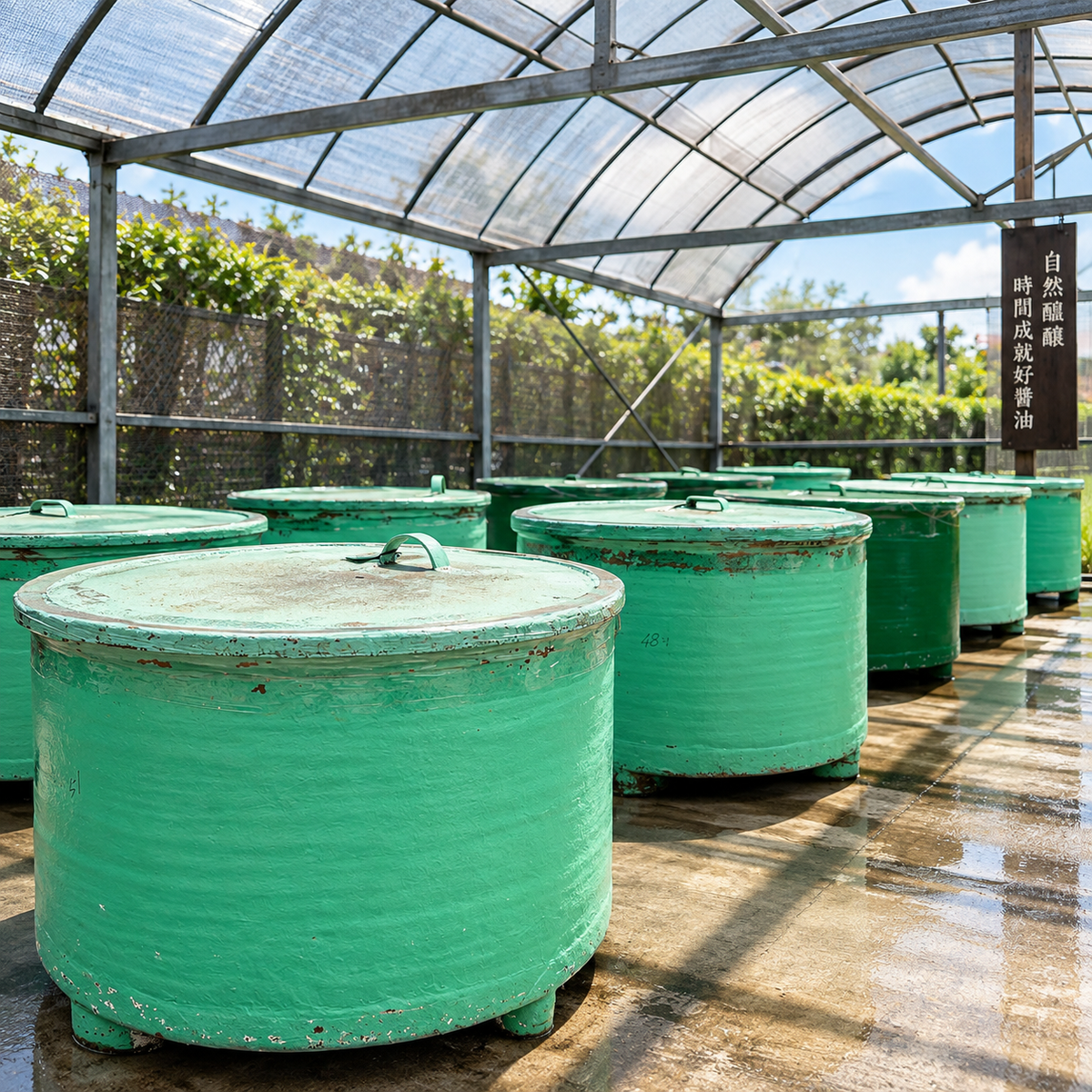
Once the koji-making stage is complete, the soybean koji is transferred into food-grade FRP brewing tanks.
A carefully measured amount of brine is then added.
During this process, the mixture must be continuously stirred so that the koji and brine are evenly combined.
It may sound simple, but mixing cooked soybeans and liquid in a large brewing tank requires both physical strength and experience.
This is one of the moments where traditional craftsmanship remains an important part of the brewing process.
Step 4|Time for Fermentation
Once the brine has been added, the brewing tanks are sealed and the long fermentation process begins.
DoYouBo soy sauce is naturally fermented for at least 120 days, with some products requiring 120 to 180 days, depending on the recipe and ingredients.
Rather than relying on a rapid production process, time allows the ingredients to gradually develop the aroma, color, and depth associated with naturally brewed soy sauce.
There is no shortcut for this stage.
Good soy sauce needs time.
Step 5|Monitoring the Fermentation
The brewing tanks are not simply sealed and forgotten.
Throughout the fermentation period, the production team periodically opens the tanks to check and stir the fermenting mixture.
These inspections are carried out in a controlled environment designed to maintain hygienic conditions during the brewing process.
Fermentation is a living process, so experience and careful observation remain important even with the support of modern equipment.
Traditional Craftsmanship Meets Modern Technology
Soy sauce brewing has a long history, but the environment surrounding food production continues to change.
At DoYouBo, traditional brewing methods are supported by modern equipment and production management to help maintain stable fermentation conditions, quality, and production capacity.
Computer-controlled koji rooms, food-grade brewing tanks, carefully managed production environments, and experienced brewers all play different roles in the same process.
Technology does not replace craftsmanship.
Instead, it helps create a more stable environment in which traditional brewing knowledge can continue.
At Least 120 Days Before the Next Step
After at least four months of fermentation, the soy sauce is ready to move on to the next stage: pressing the fermented mash to extract raw soy sauce.
But by this point, much of the character of the soy sauce has already been shaped by the ingredients, koji, fermentation environment, and—most importantly—time.
From Taiwan-grown grains to months of careful fermentation, every bottle reflects a process that cannot be rushed.
This is how DoYouBo brings Taiwanese brewing craftsmanship from the field to the table.
At DoYouBo, food quality begins long before a product reaches the table.
From selecting ingredients and working with trusted producers to managing production, transportation, and quality control, we believe that every step matters.
For more than 50 years, DoYouBo has focused on creating foods with care and transparency. Whether it is our naturally brewed soy sauce made in Taiwan or extra virgin olive oil sourced from Spain, our goal remains the same: to help consumers understand where their food comes from and how its quality is protected.
Quality Begins with the Source
We believe good food starts with understanding its ingredients and where they come from.
For our soy sauce, DoYouBo works with Taiwan-grown, non-GMO grains through contract farming, building closer connections with local agriculture while maintaining greater transparency over the source of our ingredients.
For our extra virgin olive oil, we work with selected olive oil estates in Spain, where the olives are harvested, processed, and bottled before being shipped to Taiwan.
Different products require different approaches, but the principle remains the same: quality starts at the source.
Naturally Brewed Soy Sauce from Taiwan
Soy sauce is at the heart of DoYouBo.
Based in Zhutian, Pingtung, Taiwan, we have dedicated decades to traditional brewing while continuously improving our production and quality-management processes.
Our soy sauces are naturally fermented to develop their characteristic aroma, depth, and umami flavor over time.
By combining traditional Taiwanese brewing knowledge with modern production management, we hope to preserve the flavors of Taiwanese soy sauce while making them easier for consumers around the world to understand and enjoy.
Our product range also includes options developed for different dietary and cooking needs, such as no-added-sugar soy sauce and gluten-free rice soy sauce.
Extra Virgin Olive Oil from Spain
Our commitment to quality also extends beyond Taiwan.
DoYouBo works with selected olive oil estates in Spain to source extra virgin olive oils with clear origins and production information.
The olives are processed and the oils are bottled at origin in Spain before being imported to Taiwan in their original bottles. They are not locally repackaged or blended after arrival.
By keeping the production and bottling process at origin, we aim to maintain greater transparency throughout the supply chain and preserve the characteristics of the olive oil from the estate to the finished bottle.
Careful Transportation and Quality Control
Food quality does not stop at production.
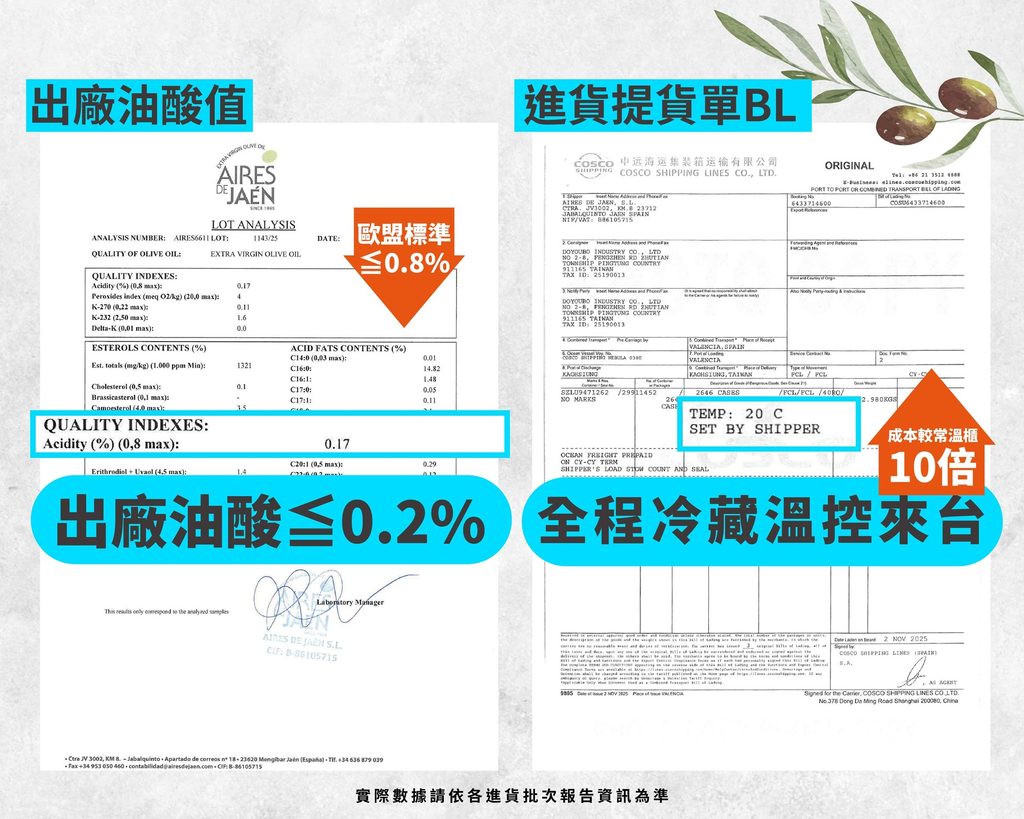
Transportation and storage conditions are also important, particularly for products such as extra virgin olive oil that can be affected by heat and environmental conditions.
DoYouBo olive oils are transported to Taiwan in refrigerated containers to help reduce temperature fluctuations during transportation.
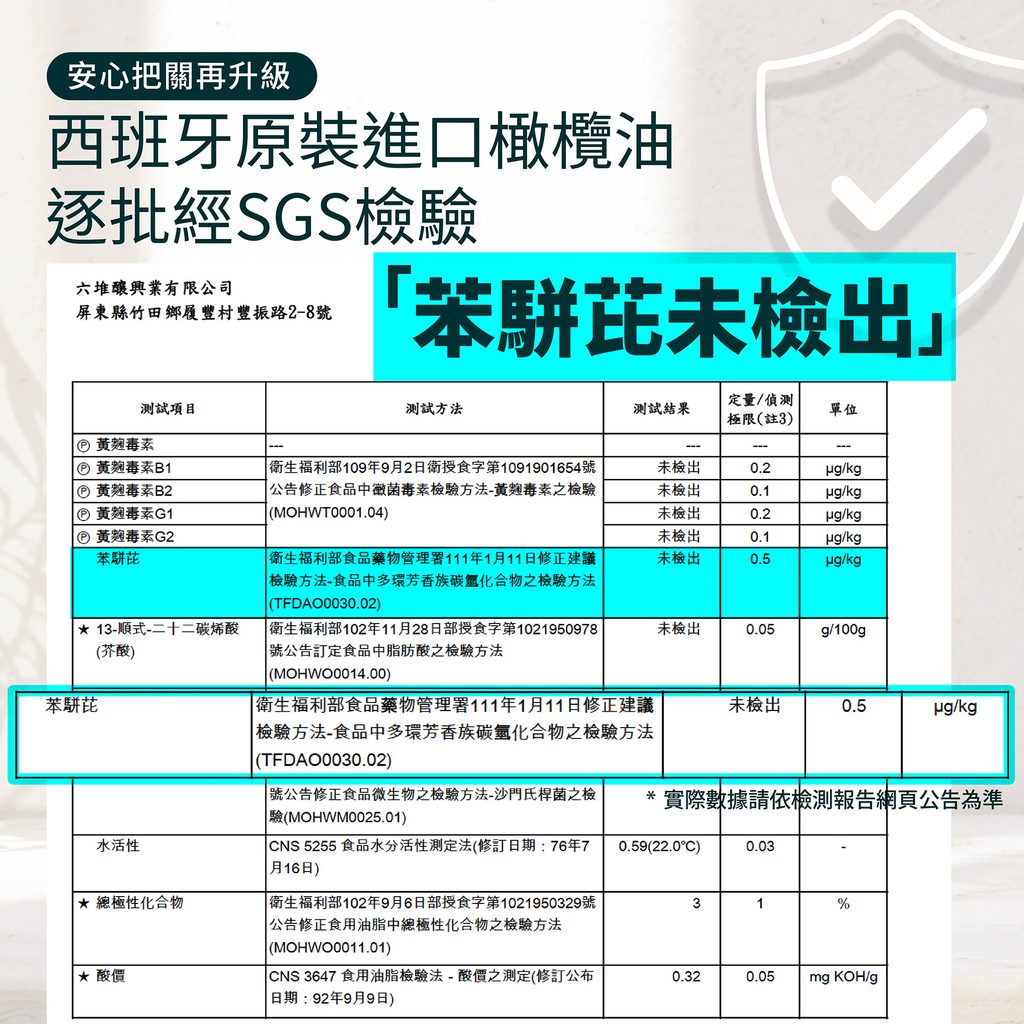
Each imported batch also undergoes third-party testing as part of our quality-control process. Relevant test reports are made available through the DoYouBo website so consumers can access additional product information.
Transparency and Traceability
For DoYouBo, transparency means giving consumers a clearer understanding of the food they choose.
From Taiwan-grown ingredients used in our soy sauces to olive oils bottled at origin in Spain, we value information about origin, production, transportation, and quality control.
Traceability is not simply about knowing where a product was purchased. It is about creating a clearer connection between the ingredients, the people who produce them, the way they are processed, and the finished food that reaches the table.
From Source to Table
Food safety and quality are not created by a single inspection or certification. They are built through everyday decisions throughout the production process.
At DoYouBo, we continue to combine Taiwanese brewing craftsmanship, responsible sourcing, transparent production, and quality management to create products we are proud to share beyond Taiwan.
From a bottle of naturally brewed soy sauce made in Pingtung to extra virgin olive oil bottled at origin in Spain, every product has its own journey.
And we believe consumers deserve to know that journey.
From source to table, transparency is part of our commitment to quality.
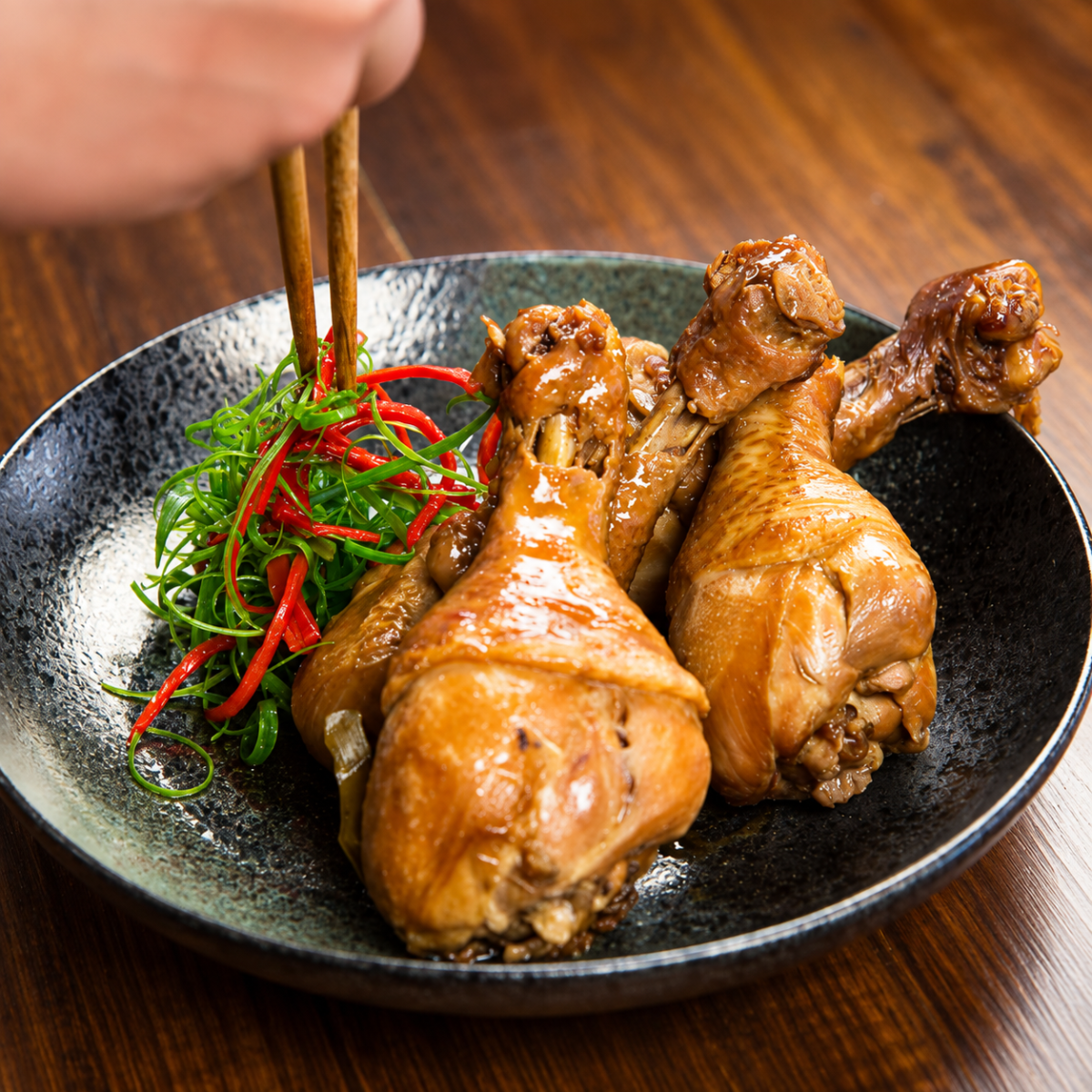
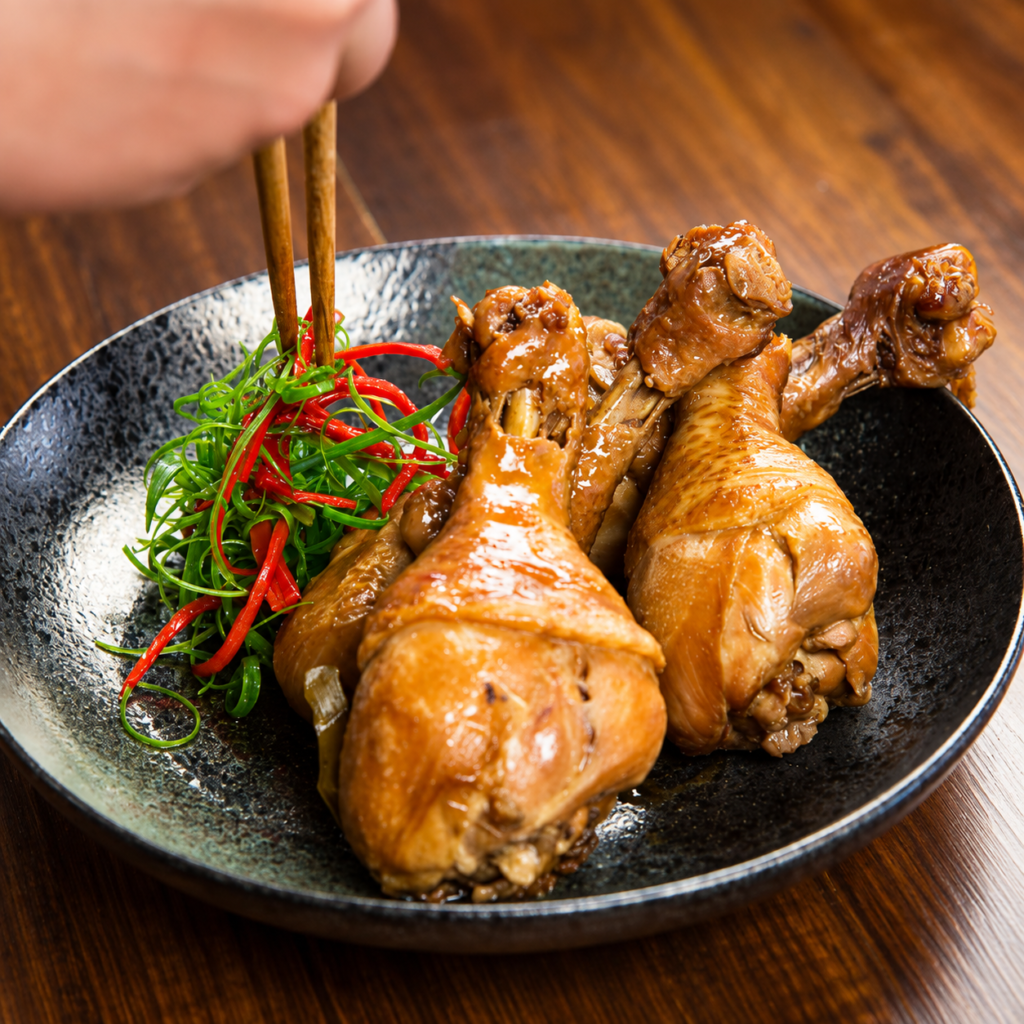
Soy sauce chicken, known as See Yao Gai (豉油雞) in Cantonese cuisine, is a classic dish known for its glossy appearance, tender meat, and rich soy sauce aroma.
In Chinese cooking, “豉油” is a Cantonese term for soy sauce. The chicken is gently cooked in a savory-sweet soy sauce mixture, allowing it to slowly absorb the flavors of soy sauce, ginger, scallions, Shaoxing wine, and rock sugar.
This home-style version uses chicken legs and DoYouBo Jinmeiman Soy Sauce to create a flavorful dish that is surprisingly easy to prepare at home.
Ingredients
For the Chicken
Chicken legs
Fresh ginger
Scallions
Garlic
Sesame oil
For the Soy Sauce Braising Liquid
DoYouBo Jinmeiman Soy Sauce
Fresh ginger
Scallions
Rock sugar
Shaoxing wine
Water
Instructions
1. Prepare the aromatics Slice the ginger and prepare the scallions and garlic.
2. Make the scallion oil sauce Combine ginger, garlic, and scallions. Heat the sesame oil and pour it over the aromatics to release their fragrance. Set aside.
3. Prepare the braising liquid Add DoYouBo Jinmeiman Soy Sauce, ginger, scallions, rock sugar, Shaoxing wine, and water to a pot.
Bring the mixture to a gentle boil and stir until the rock sugar has dissolved.
4. Add the chicken Place the chicken legs into the soy sauce mixture, making sure they are well coated with the braising liquid.
5. Simmer gently Cover the pot and cook over low heat for approximately 20 minutes, allowing the chicken to slowly absorb the flavors.
6. Rest and slice Once the chicken is fully cooked and tender, remove it from the pot and allow it to rest briefly before slicing.
7. Serve Arrange the sliced chicken on a serving plate. Spoon some of the soy sauce braising liquid over the chicken and serve with the aromatic scallion oil sauce.
Cooking Tips
Cook the chicken gently over low heat to keep the meat tender and juicy.
Turn the chicken during cooking if needed so that it absorbs the soy sauce evenly.
Allow the rock sugar to dissolve completely for a balanced savory-sweet flavor.
Let the chicken rest for a few minutes before slicing to help retain its juices.
The remaining soy sauce braising liquid can be spooned over rice for extra flavor.
A Classic Cantonese Soy Sauce Dish
Soy sauce chicken is a familiar dish in Cantonese cuisine, where soy sauce is not simply used as a seasoning—it forms the flavorful foundation of the entire dish.
The combination of soy sauce, ginger, scallions, Shaoxing wine, and a touch of sweetness creates layers of aroma while giving the chicken its characteristic glossy appearance.
It is also a simple example of how a quality soy sauce can transform everyday ingredients into a deeply flavorful home-cooked meal.
Recommended Product
DoYouBo Jinmeiman Soy Sauce
With its balanced savory flavor and rich soy aroma, Jinmeiman Soy Sauce works especially well in braised and simmered dishes, adding both color and depth of flavor to the chicken.
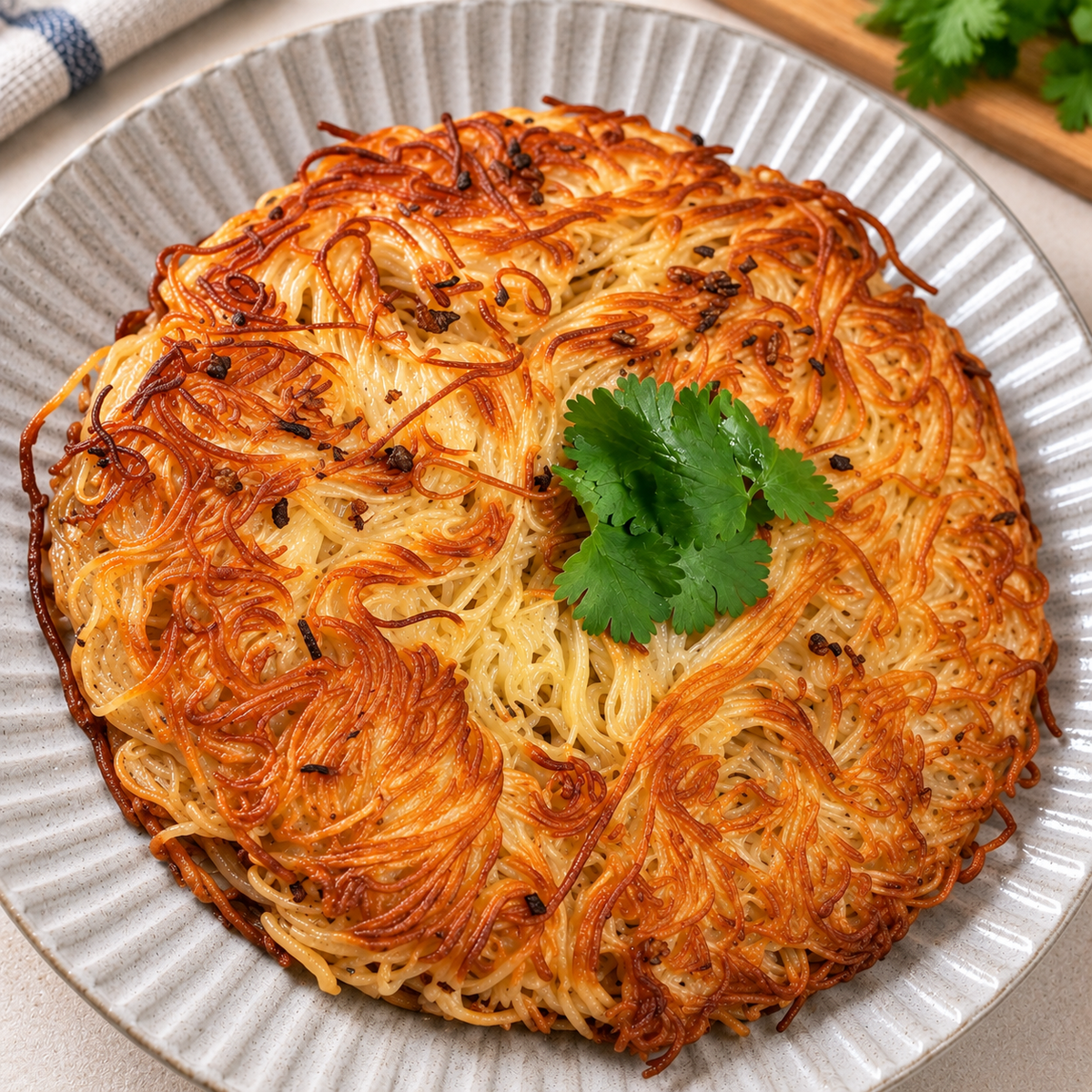
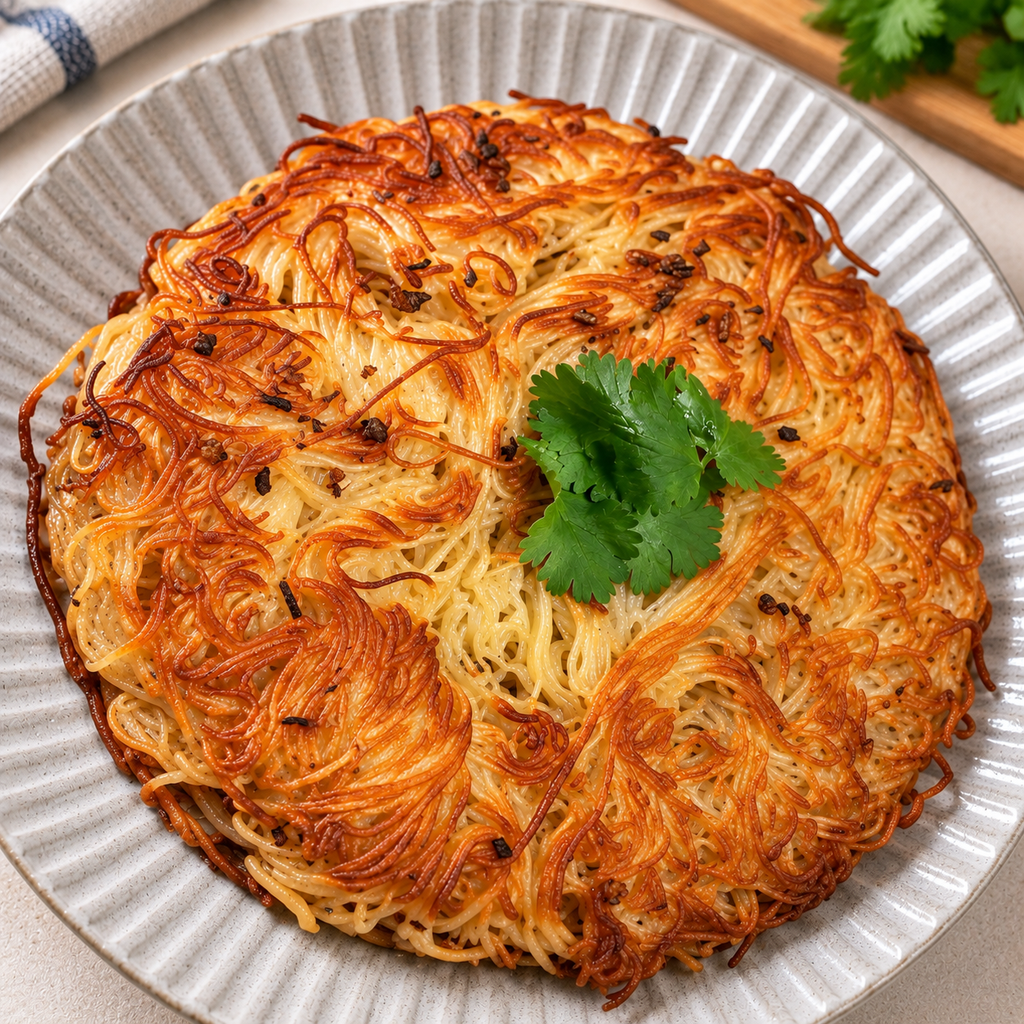
Crispy sesame oil misua is a nostalgic Taiwanese home-style dish made with just a few simple ingredients.
This recipe is one of Lulu’s favorite home-cooked specialties. Thin misua noodles are combined with egg, ginger, sesame oil, and DoYouBo Jinmeiman Soy Sauce, then pan-fried until golden and lightly crispy on both sides.
While sesame oil dishes are often associated with colder weather in Taiwan, this simple noodle dish can be enjoyed throughout the year. With its crispy exterior, tender noodles, and fragrant sesame aroma, it is a comforting taste of traditional Taiwanese home cooking.
Ingredients
Misua (thin wheat noodles)
Eggs
Fresh ginger, shredded
Sesame oil
DoYouBo Jinmeiman Soy Sauce
Instructions
1. Cook the misua Bring a pot of water to a boil and cook the misua until tender. Drain well and set aside.
2. Prepare the egg mixture Crack the eggs into a bowl and beat well.
3. Sauté the ginger Heat sesame oil in a frying pan. Add the shredded ginger and gently sauté until fragrant.
4. Combine the ingredients Add the cooked misua and DoYouBo Jinmeiman Soy Sauce, mixing well so the noodles absorb the savory flavor.
5. Add the egg Pour in the beaten eggs and gently combine them with the noodles.
6. Pan-fry until golden Spread the noodles evenly across the pan. Cook until the bottom becomes golden and lightly crispy.
Carefully flip and cook the other side until golden brown.
7. Serve hot Transfer to a plate and enjoy while the outside is still crisp and fragrant.
Cooking Tips
Drain the misua thoroughly after cooking to make it easier to achieve a crispy texture.
Sauté the ginger gently in sesame oil to release its aroma without burning it.
Spread the noodles into an even layer so they brown evenly.
Use medium-low heat while pan-frying to create a golden crust without burning the noodles.
Enjoy immediately after cooking for the best contrast between the crispy exterior and tender noodles.
A Taste of Taiwanese Home Cooking
Misua is a familiar ingredient in Taiwanese households and can be prepared in many different ways—from comforting noodle soups to sesame oil dishes.
Pan-frying the noodles gives this traditional ingredient a completely different texture. Combined with sesame oil, ginger, egg, and soy sauce, it transforms a handful of everyday ingredients into a simple yet deeply satisfying dish.
For Lulu, this is the kind of recipe that does not require complicated techniques or elaborate ingredients—just familiar Taiwanese flavors and the warmth of home cooking.
Recommended Product
DoYouBo Jinmeiman Soy Sauce
Its balanced savory flavor works naturally with sesame oil, ginger, and egg, adding depth to this simple Taiwanese noodle dish.
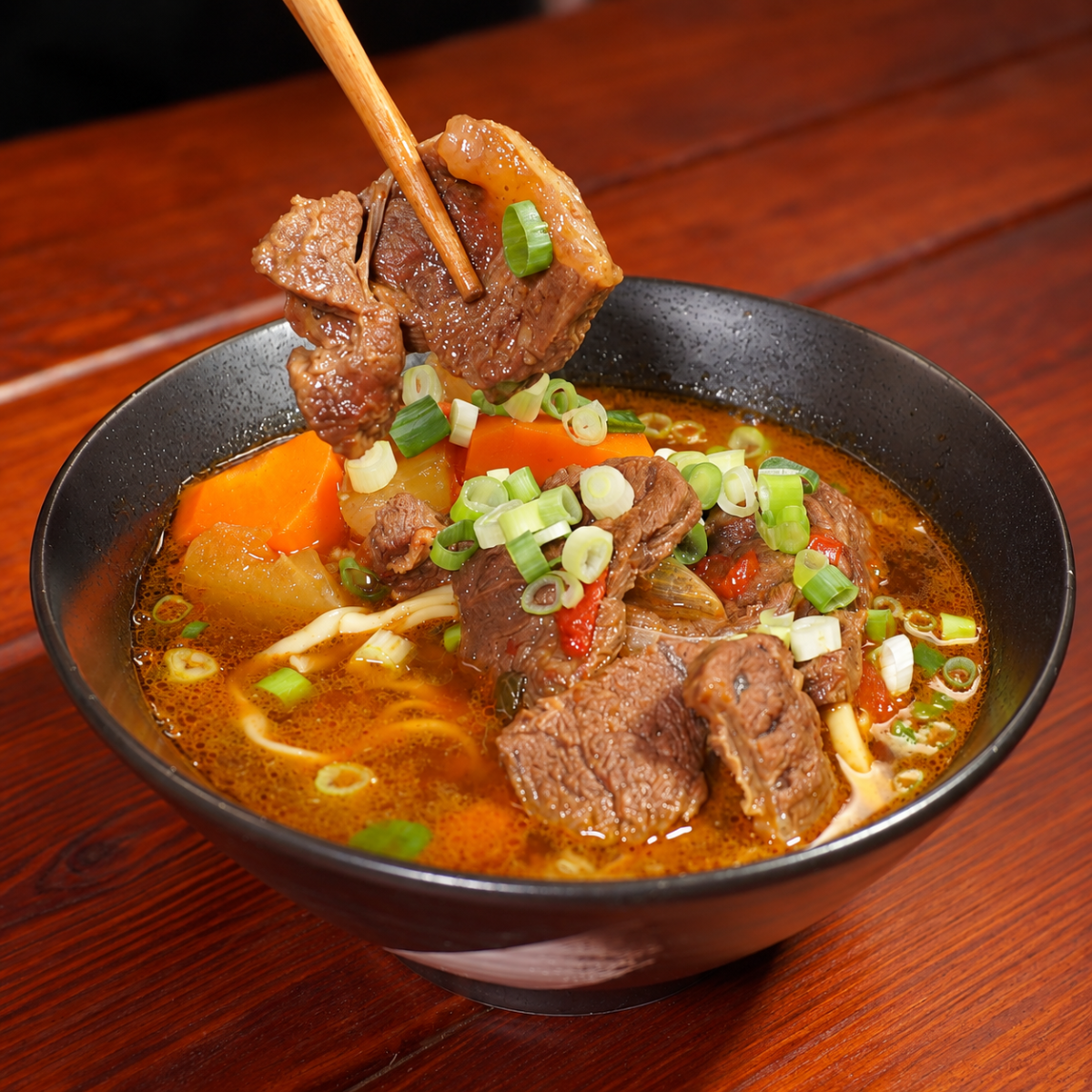
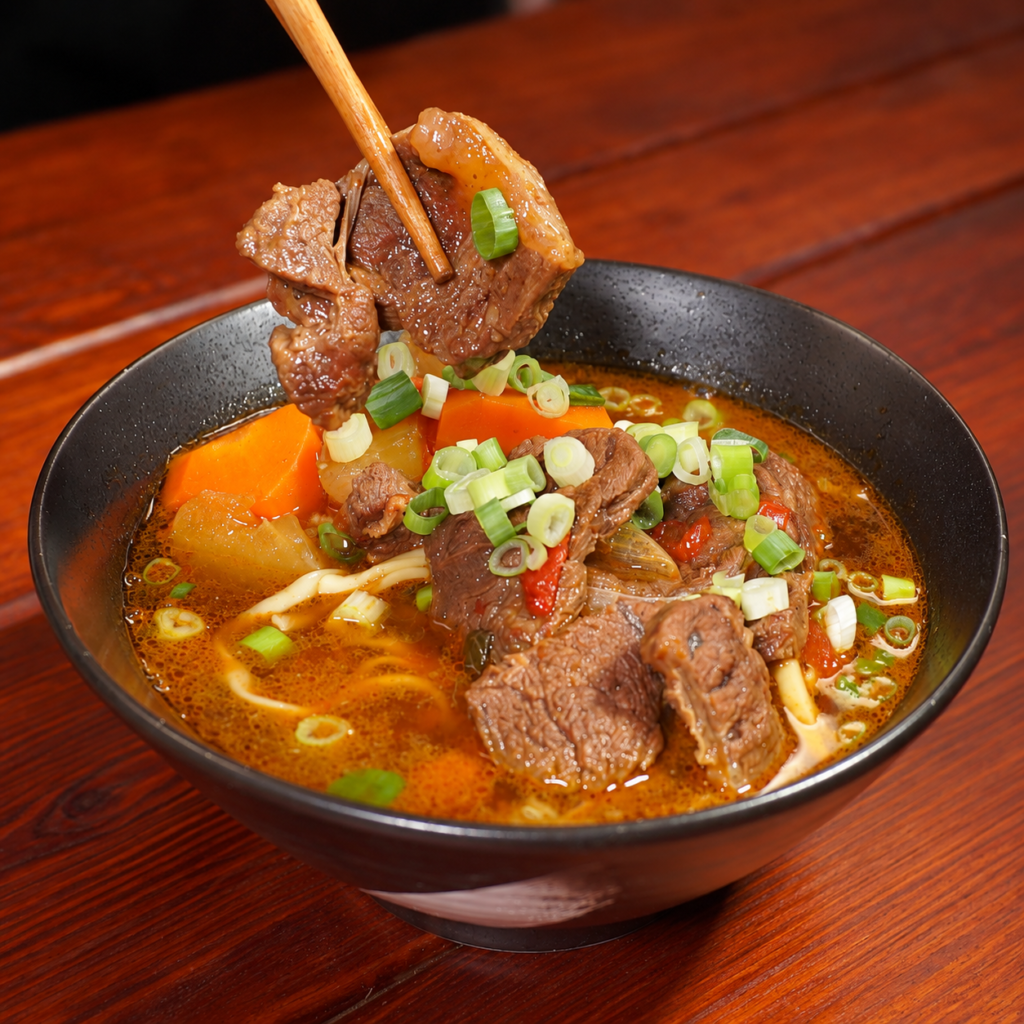
Taiwanese beef noodle soup is one of Taiwan’s most beloved comfort foods, known for its rich, savory broth, tender beef, and satisfying noodles.
This homemade version requires no pre-made spice packet. Instead, the broth develops its flavor from fresh aromatics, vegetables, DoYouBo Chili Bean Sauce, Jinmeiman Soy Sauce, and extra virgin olive oil.
Slow-cooked with tomato, carrots, and daikon radish, the result is a comforting bowl of Taiwanese-style beef noodle soup with a rich yet balanced flavor.
Ingredients
Serves 2–3
500 g beef shank, sliced into 1 cm pieces
2 scallions, cut into sections
6 cloves garlic
6 slices ginger
1/2 daikon radish
1 carrot
1 tomato
1 tbsp DoYouBo Chili Bean Sauce
90 ml DoYouBo Jinmeiman Soy Sauce
30 ml rice wine
30 ml DoYouBo Picual Extra Virgin Olive Oil
2,000 ml water
Chopped scallions, for garnish
Noodles, as needed
Instructions
1. Sauté the aromatics Heat the olive oil in a pot. Add the scallions, ginger, and garlic, then sauté over low heat until fragrant.
2. Cook the beef Add the sliced beef shank and stir-fry until the surface begins to brown.
3. Add the seasonings Add DoYouBo Chili Bean Sauce and Jinmeiman Soy Sauce. Stir well and cook briefly until aromatic.
4. Build the broth Add the rice wine, tomato, carrot, daikon radish, and water. Bring everything to a boil.
5. Slow-cook the beef Transfer the pot to an electric cooker. Add 2 cups of water to the outer pot and cook for approximately 1 hour, or until the beef is tender.
6. Cook the noodles Meanwhile, bring a separate pot of water to a boil and cook the noodles according to the package instructions. Drain and place them in serving bowls.
7. Assemble and serve Ladle the braised beef, vegetables, and hot broth over the noodles. Garnish with chopped scallions and serve hot.
The Keys to a Flavorful Beef Noodle Soup
Build the aroma first. Gently sautéing scallions, ginger, and garlic creates an aromatic foundation for the broth.
Add depth with chili bean sauce. DoYouBo Chili Bean Sauce adds gentle heat and savory complexity.
Balance the broth with soy sauce. DoYouBo Jinmeiman Soy Sauce gives the broth its savory depth without overwhelming the other ingredients.
Let the vegetables do the work. Tomato, carrot, and daikon slowly release their natural sweetness into the broth as they cook.
A Taste of Taiwanese Comfort Food
Beef noodle soup holds a special place in Taiwanese food culture. Every family and restaurant may have its own recipe, with different combinations of soy sauce, spices, vegetables, and cooking techniques.
This version keeps things simple, using everyday ingredients and Taiwanese seasonings to create a comforting bowl that can easily be made at home.
Recommended Products
DoYouBo Jinmeiman Soy Sauce Adds savory depth and balanced soy flavor to the braising broth.
DoYouBo Chili Bean Sauce Brings gentle heat and rich fermented flavor to the soup.
DoYouBo Picual Extra Virgin Olive Oil Used to sauté the aromatics and build the flavorful base of the broth.